Why Does the Brain Get Tired from Social Media?
Social media has become an integral part of our daily lives. We spend hours scrolling through our feeds, liking, commenting, and sharing content. However, have you ever wondered why your brain feels tired after a prolonged social media session? Let's dive into the reasons behind this phenomenon.
*The Science Behind Social Media Fatigue*
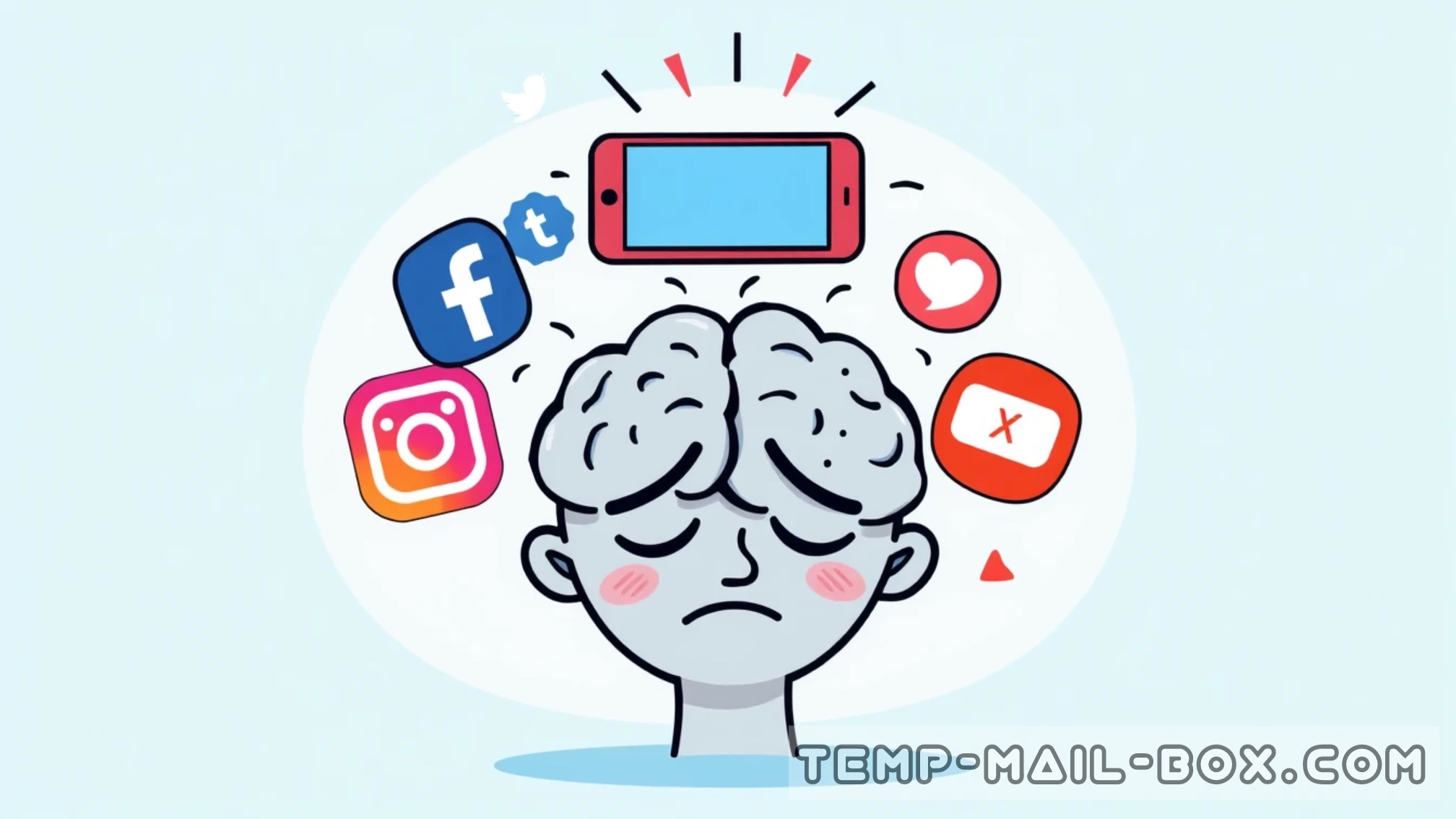
When we use social media, our brains are constantly processing new information. This can lead to a state of continuous alertness, making it difficult for our brains to relax. Here are some reasons why social media can be exhausting:
- *Information Overload*: Social media platforms provide an endless stream of information, which can be overwhelming for our brains. As we scroll through our feeds, we're exposed to a vast amount of data, including text, images, and videos. This can lead to information fatigue, making it challenging for our brains to process and retain information.
- *Constant Notifications*: Social media notifications can be a significant source of stress. When we receive notifications, our brains release dopamine, a neurotransmitter associated with pleasure and reward. However, frequent notifications can lead to a state of hyperarousal, making it difficult for our brains to wind down.
- *Social Comparison*: Social media platforms showcase the highlight reels of other people's lives, making it easy to compare ourselves to others. This can lead to feelings of inadequacy, low self-esteem, and anxiety, all of which can contribute to brain fatigue.
- *Lack of Depth*: Social media interactions often lack depth and meaningful connections. When we communicate online, we miss out on nonverbal cues, tone of voice, and facial expressions, which can lead to misunderstandings and feelings of isolation.
*The Impact of Social Media on Mental Health*
Prolonged social media use can have a significant impact on our mental health. Some potential risks include:
- *Anxiety and Depression*: Excessive social media use has been linked to increased symptoms of anxiety and depression.
- *Sleep Disturbances*: Exposure to screens and the constant notifications from social media can interfere with our sleep patterns.
- *Cognitive Decline*: Excessive social media use can lead to a decline in cognitive abilities, such as attention and memory.
*Breaking the Cycle of Social Media Fatigue*
To avoid social media fatigue, it's essential to establish a healthy balance between online and offline activities. Here are some tips:
- *Set Boundaries*: Limit your social media use to specific times of the day, and take regular breaks from your devices.
- *Practice Mindfulness*: Be mindful of your social media use, and focus on meaningful interactions with others.
- *Prioritize Offline Activities*: Engage in activities that bring you joy and fulfillment, such as exercise, reading, or spending time with friends and family.
- *Use Technology Wisely*: Utilize features like website blockers or app tracking tools to monitor and control your social media use.
*Conclusion*
Social media can be a valuable tool for connecting with others and staying informed. However, excessive use can lead to brain fatigue and negatively impact our mental health. By being aware of the potential risks and taking steps to maintain a healthy balance, we can enjoy the benefits of social media while protecting our well-being.
*Sources:*
- American Psychological Association
- Harvard Business Review
- National Sleep Foundation
*Did you know?*
- A study by the University of California, Irvine found that people who took a break from social media for just one week reported improved well-being and reduced stress levels.
- The average person spends around 2 hours and 25 minutes on social media per day.
*What's your take on social media fatigue?* Share your experiences and tips on how to maintain a healthy balance between online and offline activities!