Shroud of Turin Exposed as a Forgery
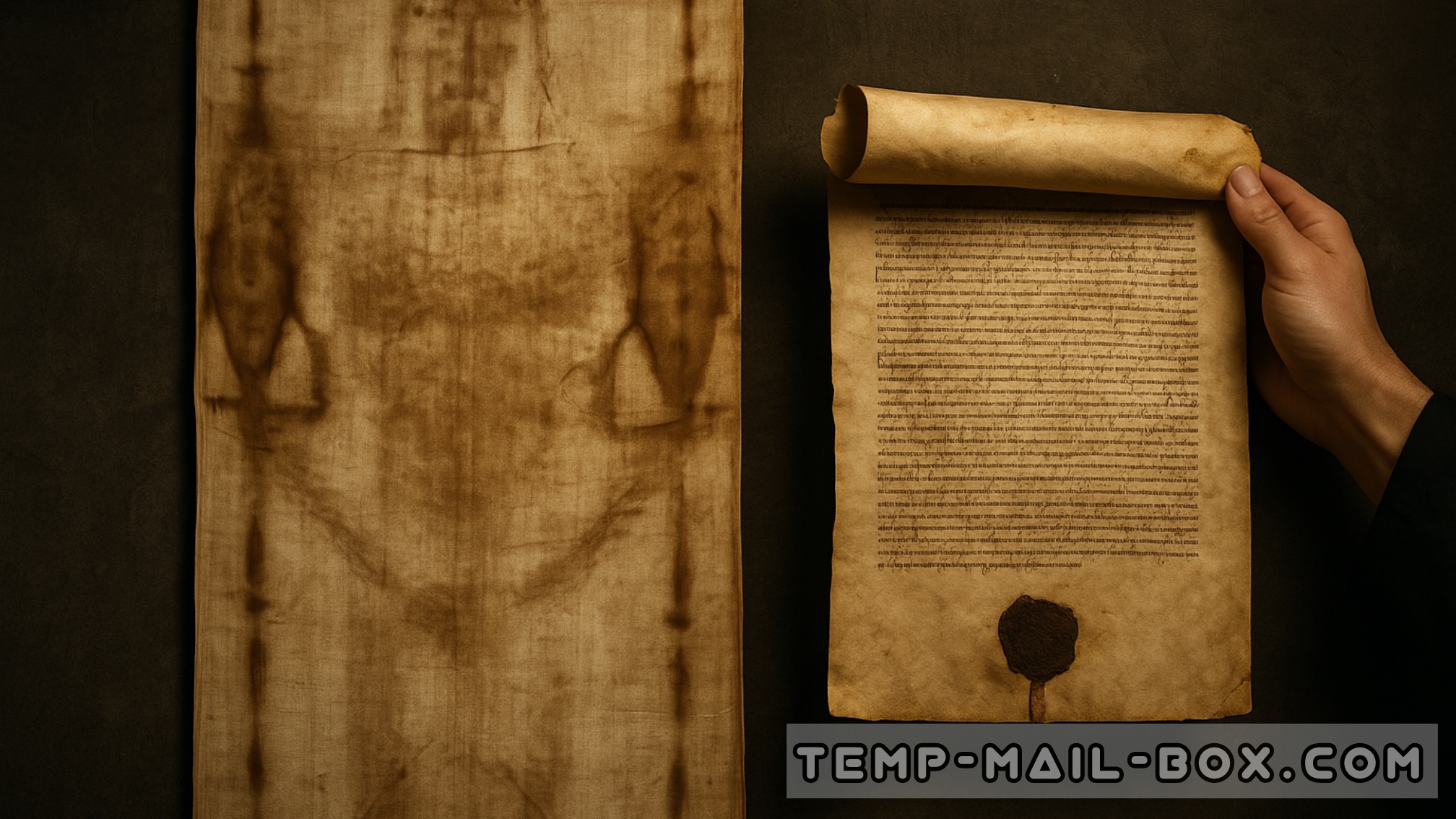
For centuries, the Shroud of Turin has captivated believers and skeptics alike. This linen cloth, bearing the faint image of a crucified man, has been revered by many as the burial shroud of Jesus Christ. Yet, a newly uncovered historical testimony casts serious doubt on its authenticity, reigniting the debate over one of Christianity’s most enigmatic relics.
Recent research has brought to light a medieval document that directly refers to the Shroud as a fabricated object. The testimony, written by a 14th-century bishop in France, explicitly states that the cloth was “cunningly painted” to deceive the faithful. This account aligns with earlier radiocarbon dating conducted in the late 1980s, which dated the fabric to the Middle Ages, between 1260 and 1390. While some questioned the validity of those tests, the historical record now provides a striking confirmation that the relic’s origins may not be divine, but rather artistic.
The implications of this discovery are profound. The Shroud has long been at the center of pilgrimages, religious devotion, and heated academic discussions. Supporters of its authenticity point to the inexplicable qualities of the image, which appears to show a three-dimensional photographic negative centuries before photography existed. However, critics argue that extraordinary claims require extraordinary evidence, and the combination of scientific dating and written testimony strongly suggests a medieval origin.
Beyond questions of faith, the Shroud of Turin represents the intersection of religion, history, and science. It highlights the challenges of separating belief from evidence, tradition from documentation. Whether seen as a sacred relic, a powerful symbol of devotion, or an ingenious medieval creation, the cloth remains a mirror reflecting humanity’s search for meaning.
The newly unearthed testimony may not end the debate — if anything, it adds another layer to the mystery. For believers, faith often transcends scientific evidence. For historians, however, this new piece of documentation reinforces the idea that the Shroud is less a divine artifact and more a fascinating relic of medieval ingenuity.