
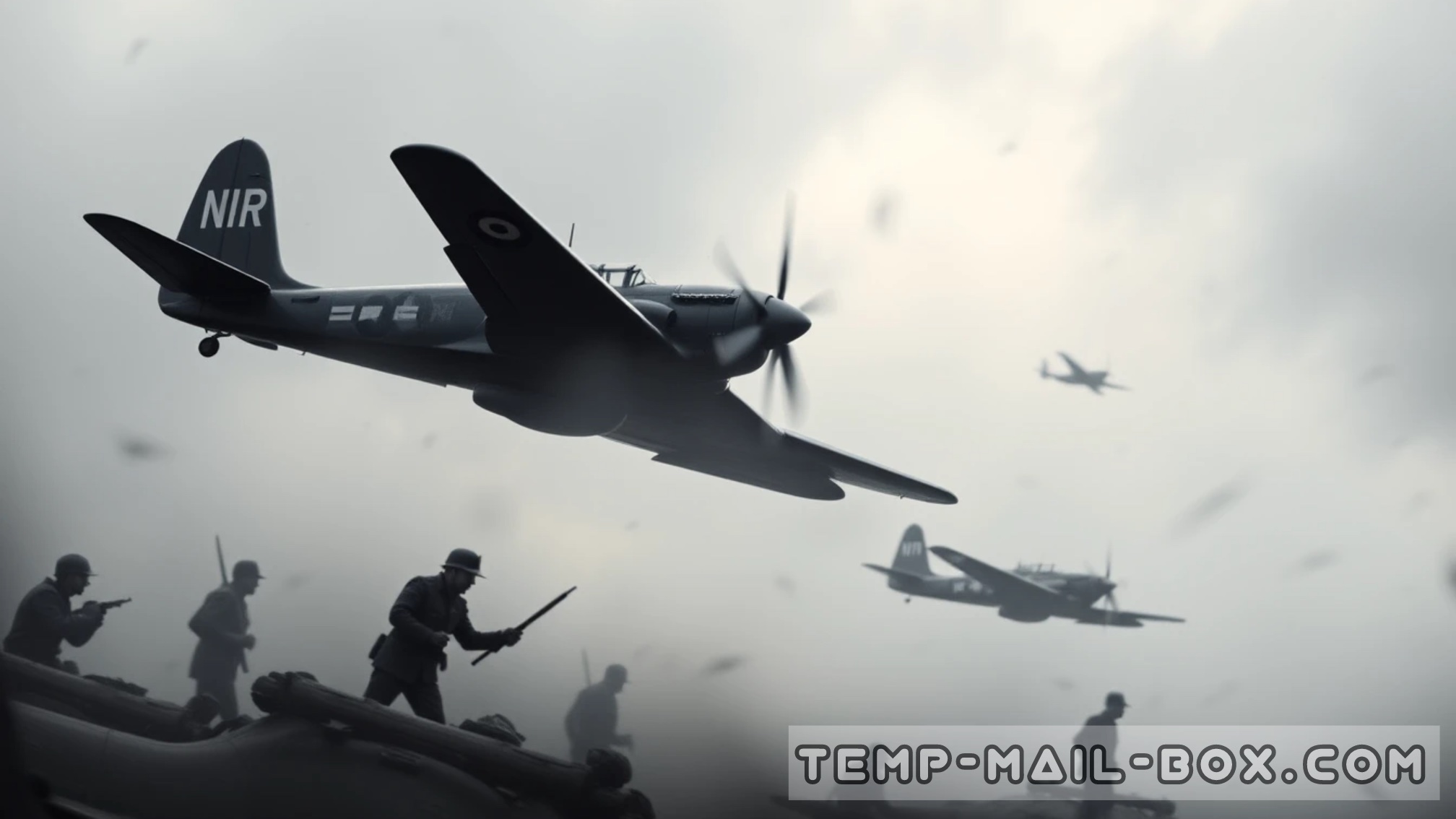
Causes of World War II
World War II, which began on September 1, 1939, was the result of a complex interplay of political, economic, and military factors. While Nazi Germany was the primary aggressor, the Soviet Union also played a significant role in the early stages of the war. The USSR’s involvement in the partition of Poland, its war with Finland, and the annexation of the Baltic states remain subjects of historical debate.
1. The Treaty of Versailles and German Revanchism
Following World War I, Germany found itself in a dire situation due to the harsh terms of the Treaty of Versailles (1919), which included:
- Significant territorial losses, including regions given to France and Poland.
- Severe limitations on the German military.
- Enormous reparations payments.
These measures fueled resentment among Germans and led to the rise of nationalist movements, culminating in Adolf Hitler’s ascent to power in 1933.
2. The Policy of Appeasement and Nazi Expansion
Western democracies, hoping to prevent another large-scale war, adopted a policy of appeasement toward Nazi Germany:
- In 1936, Hitler reoccupied the Rhineland in violation of the Versailles Treaty, facing no resistance.
- In 1938, Germany annexed Austria (Anschluss).
- Later that year, Britain and France signed the Munich Agreement, allowing Germany to seize the Sudetenland from Czechoslovakia.
These concessions only emboldened Hitler, pushing him toward further territorial expansion.
3. The Molotov-Ribbentrop Pact and the Partition of Poland
On August 23, 1939, the USSR and Germany signed the Molotov-Ribbentrop Pact, a non-aggression treaty that included a secret protocol dividing Eastern Europe into spheres of influence:
- Germany and the USSR agreed to partition Poland.
- The USSR was granted influence over Latvia, Estonia, Finland, and Bessarabia (Romania).
On September 1, 1939, Germany invaded Poland. On September 17, the Soviet Red Army entered Poland from the east, claiming to protect local populations. In reality, the Soviet invasion was a coordinated effort to dismantle the Polish state, as outlined in the secret agreement with Germany.
4. The Winter War: USSR vs. Finland
On November 30, 1939, the Soviet Union attacked Finland, aiming to secure strategic territories near Leningrad. The Soviet military expected a swift victory but encountered fierce Finnish resistance. The war lasted until March 1940, resulting in significant Soviet casualties. Though the USSR gained some territory, the conflict exposed weaknesses in the Red Army and damaged the USSR’s international reputation.
5. The Annexation of the Baltic States and Bessarabia
In June 1940, the USSR, capitalizing on its agreement with Germany, occupied Latvia, Lithuania, and Estonia, installing pro-Soviet governments. Additionally, the USSR demanded and received Bessarabia from Romania without military confrontation.
6. The Beginning of the Eastern Front
The Soviet-German alliance proved short-lived. On June 22, 1941, Germany launched Operation Barbarossa, a massive invasion of the Soviet Union. This marked the beginning of the most brutal phase of World War II, with the USSR becoming a key force in the Allied fight against Nazi Germany.