
Giants of the Ocean: Whales
Whales are among the most fascinating and majestic creatures on our planet. These marine mammals, belonging to the order Cetacea, include some of the largest animals ever to have lived on Earth. Despite their enormous size, whales are graceful swimmers, adapted to life in the vast and mysterious ocean. Their role in marine ecosystems is critical, and their existence has inspired myths, stories, and scientific research for centuries.
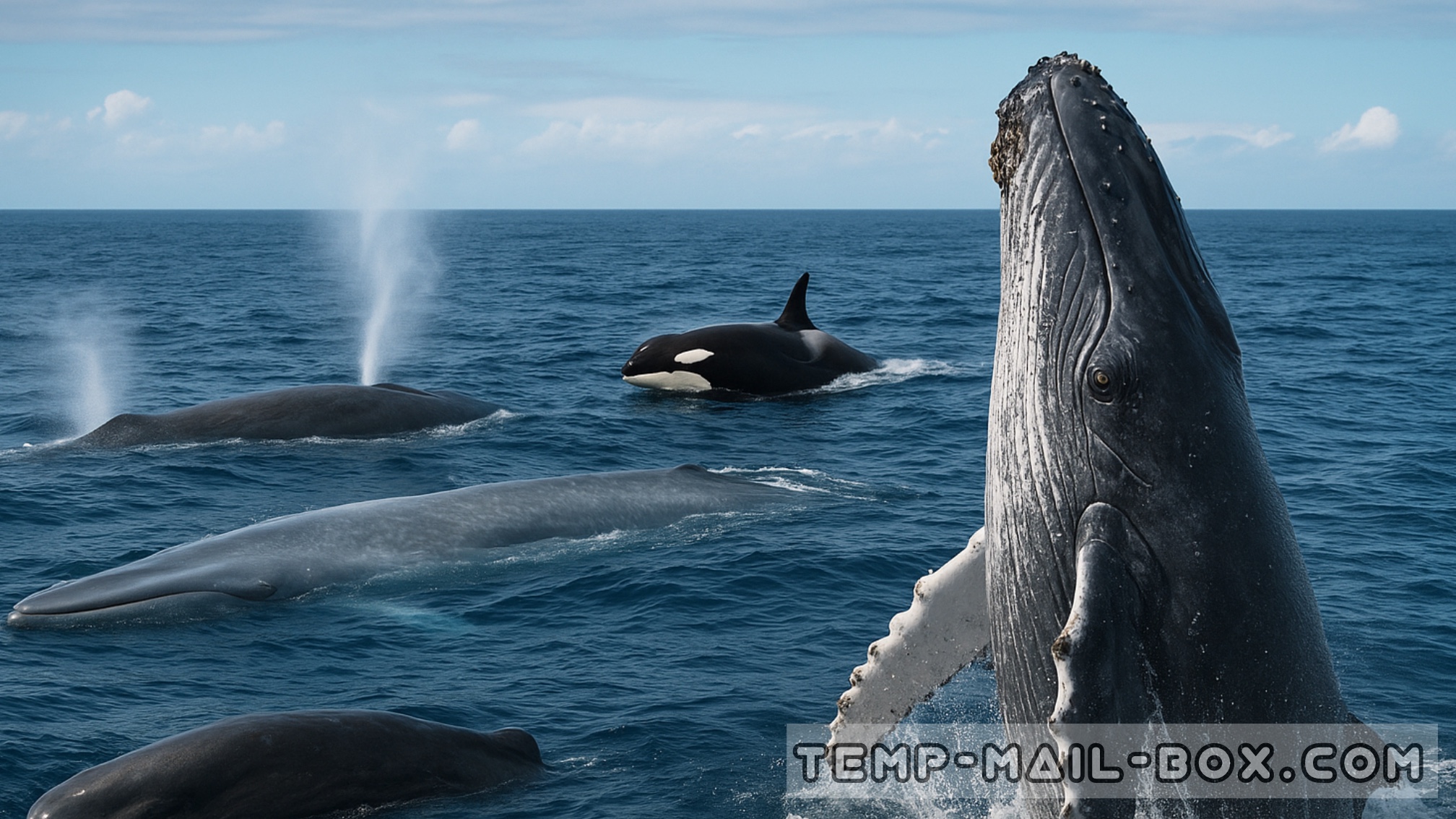
Whales are divided into two main groups: baleen whales (Mysticeti) and toothed whales (Odontoceti). Baleen whales, such as the blue whale, humpback whale, and gray whale, use sheets of baleen plates in their mouths to filter vast amounts of tiny organisms like krill and plankton from seawater. The blue whale, the largest animal ever recorded, can grow up to 30 meters long and weigh over 180 tons. In contrast, toothed whales, such as sperm whales, orcas, and dolphins, hunt fish, squid, and other prey with the help of sharp teeth and advanced echolocation abilities.
Communication is another fascinating aspect of whale life. Humpback whales, for instance, are known for their complex songs that can travel for miles underwater. These vocalizations are believed to play a role in mating rituals and social interactions. Orcas, highly intelligent and social animals, live in tight-knit pods and use distinct calls unique to their family groups, almost like dialects.
Whales are also essential for the health of marine ecosystems. Their nutrient-rich waste products help fertilize phytoplankton, which produces much of the world’s oxygen and forms the basis of the marine food chain. The “whale pump” effect, where nutrients are circulated from the deep ocean to the surface, contributes significantly to global biodiversity and climate balance.
Unfortunately, many whale species have faced severe threats from human activity. Commercial whaling during the 19th and 20th centuries pushed several species close to extinction. Today, while whaling has declined, whales still face dangers such as ship strikes, entanglement in fishing gear, noise pollution, and climate change affecting their food supply. Conservation efforts, including international protection agreements and marine sanctuaries, are vital to ensuring their survival.
Studying whales not only helps us understand marine biology but also gives us insight into the interconnectedness of life on Earth. They embody resilience and grace, reminding us of the importance of protecting our oceans. Watching a whale breach the surface or hearing its haunting song is a powerful experience, connecting humanity to the ancient and mysterious world beneath the waves.