
History of Mount Ararat
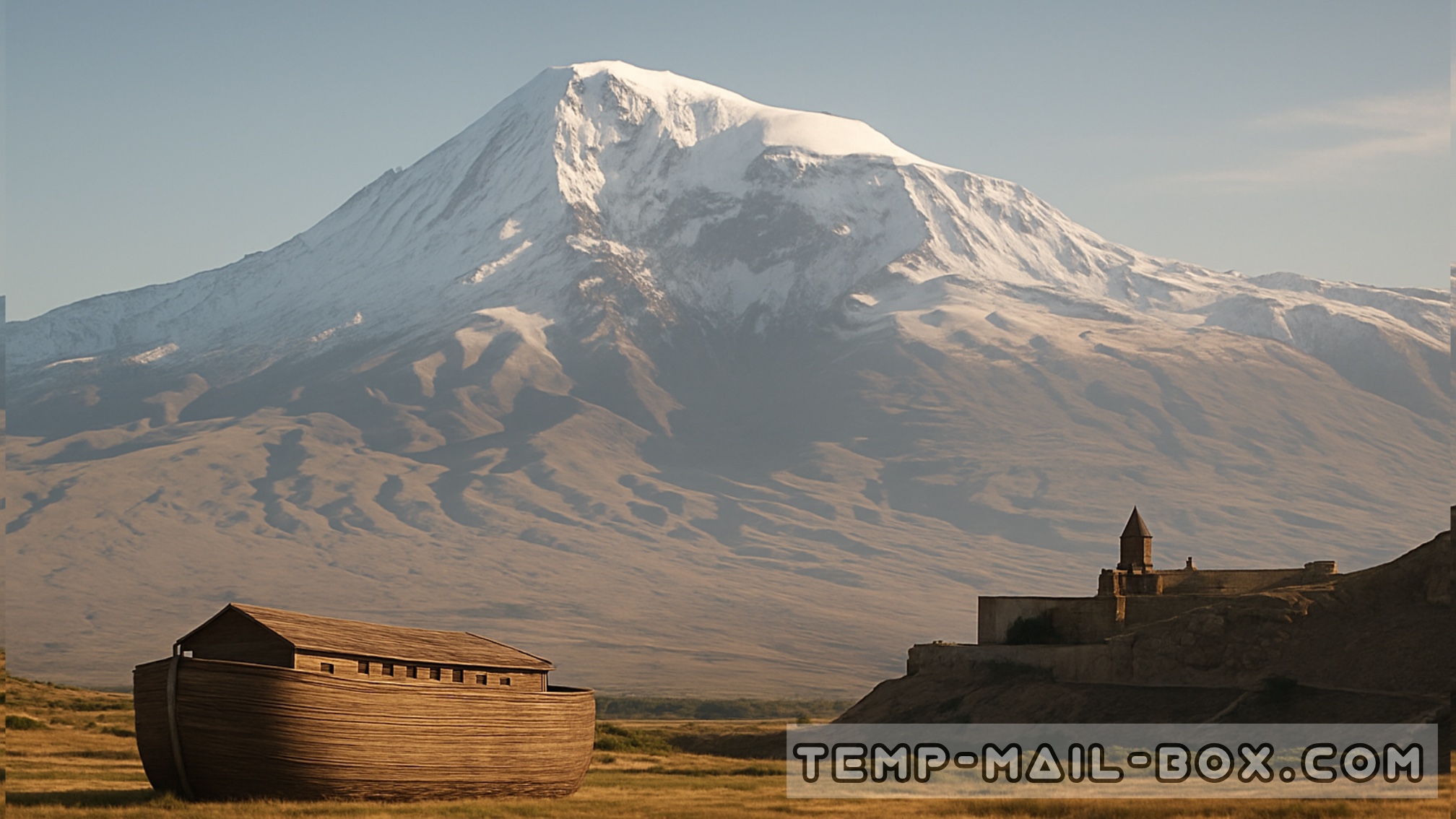
Mount Ararat is one of the world’s most legendary mountains, surrounded by history, myth, and symbolism. Rising to 5,137 meters (16,854 ft), it dominates the Armenian Highlands and can be seen from hundreds of kilometers away. Although geographically located in present-day Turkey, Ararat has been deeply tied to Armenian identity, literature, and national consciousness for centuries.
The mountain is perhaps most famous for its biblical connection. According to the Book of Genesis, after the great flood, Noah’s Ark came to rest “upon the mountains of Ararat.” This made the peak a sacred symbol for Jews, Christians, and Muslims alike. Explorers and theologians have long searched its slopes for remains of the Ark, fueling countless expeditions and legends. Despite the lack of definitive evidence, the association between Ararat and Noah’s Ark remains strong in cultural and religious traditions.
Beyond religious texts, Mount Ararat has an important role in regional history. Ancient Urartian inscriptions mention the area around the mountain, and Greek historians also wrote of it. Throughout the Middle Ages, it was depicted in Armenian manuscripts as a holy place, often with Noah’s Ark resting on its snowy summit. During the Ottoman and Persian empires, and later under Russian influence, Ararat remained a cultural and spiritual landmark.
In modern times, Mount Ararat continues to symbolize endurance and hope for Armenians, even though it lies outside Armenia’s current borders. It appears on the national coat of arms of Armenia and in countless works of art, songs, and poetry. Climbers from all over the world attempt to reach its icy summit, facing both natural challenges and political restrictions.
Thus, Mount Ararat stands as more than just a mountain. It is a bridge between myth and history, faith and identity, embodying centuries of human imagination and spiritual longing.