The Discovery and Wonders of Phosphorus
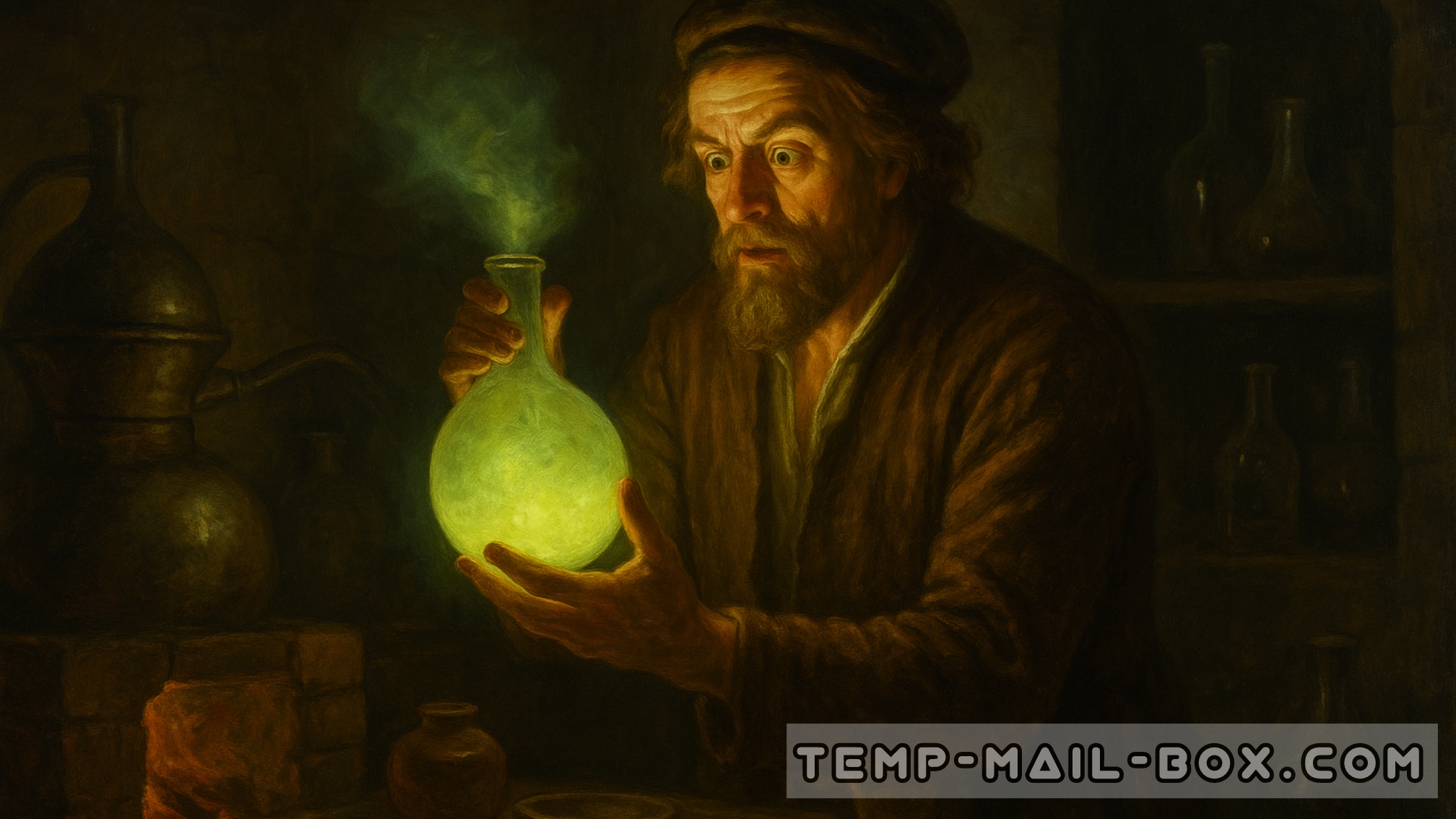
Phosphorus is a fascinating chemical element with a story that begins in the 17th century, filled with curiosity, experimentation, and a touch of alchemy. It was first discovered in 1669 by the German alchemist Hennig Brand, who was actually searching for the legendary Philosopher’s Stone — a mythical substance believed to turn base metals into gold. Brand’s method was far from ordinary: he distilled large amounts of human urine, hoping to extract gold from it. Instead, he ended up with a glowing, waxy substance that emitted a pale green light in the dark — phosphorus.
This “cold light” phenomenon fascinated scientists for centuries and gave the element its name, derived from the Greek word phosphoros, meaning “light-bearer.” At the time, phosphorus was the first element to be discovered that was unknown to ancient civilizations, marking a turning point in chemistry. Its mysterious glow sparked great interest, and it was soon studied by other scientists, leading to the development of safer and more efficient ways to obtain it.
Phosphorus plays a vital role in life. It is a key component of DNA, RNA, and ATP — molecules essential for storing and transferring energy in living cells. Without phosphorus, plants could not grow, and life as we know it would not exist. In the industrial world, phosphorus is used in fertilizers, detergents, matches, and even certain types of pyrotechnics.
However, phosphorus also has a darker side. In its white form, it is highly toxic and can cause severe burns upon contact with skin. Because of its reactivity, phosphorus is stored underwater or in inert gases to prevent it from spontaneously igniting in air.
From its strange and almost magical discovery in an alchemist’s workshop to its crucial role in biology and industry, phosphorus stands as one of the most intriguing elements in the periodic table. Its journey through history reflects the transformation of science from mysticism to modern chemistry.