
Climate Change Over the Last 30 Years
Over the past 30 years, the world has witnessed dramatic changes in climate patterns that have reshaped ecosystems, economies, and daily life across the globe. From melting glaciers to record-breaking heat waves, the evidence of global warming is no longer abstract—it’s visible everywhere.
The average global temperature has increased by about 1.1°C since the pre-industrial era, but most of that warming has occurred in recent decades. NASA and NOAA data show that the last eight years have been the warmest on record. Regions like the Arctic are warming nearly four times faster than the global average, leading to rapid ice loss, rising sea levels, and disrupted habitats for polar species.
The rise in carbon dioxide (CO₂) levels is a key driver of these changes. In 1995, the global concentration of CO₂ was around 360 parts per million (ppm). By 2025, it has reached nearly 420 ppm—a level not seen in millions of years. This increase comes mainly from burning fossil fuels, deforestation, and industrial activity.
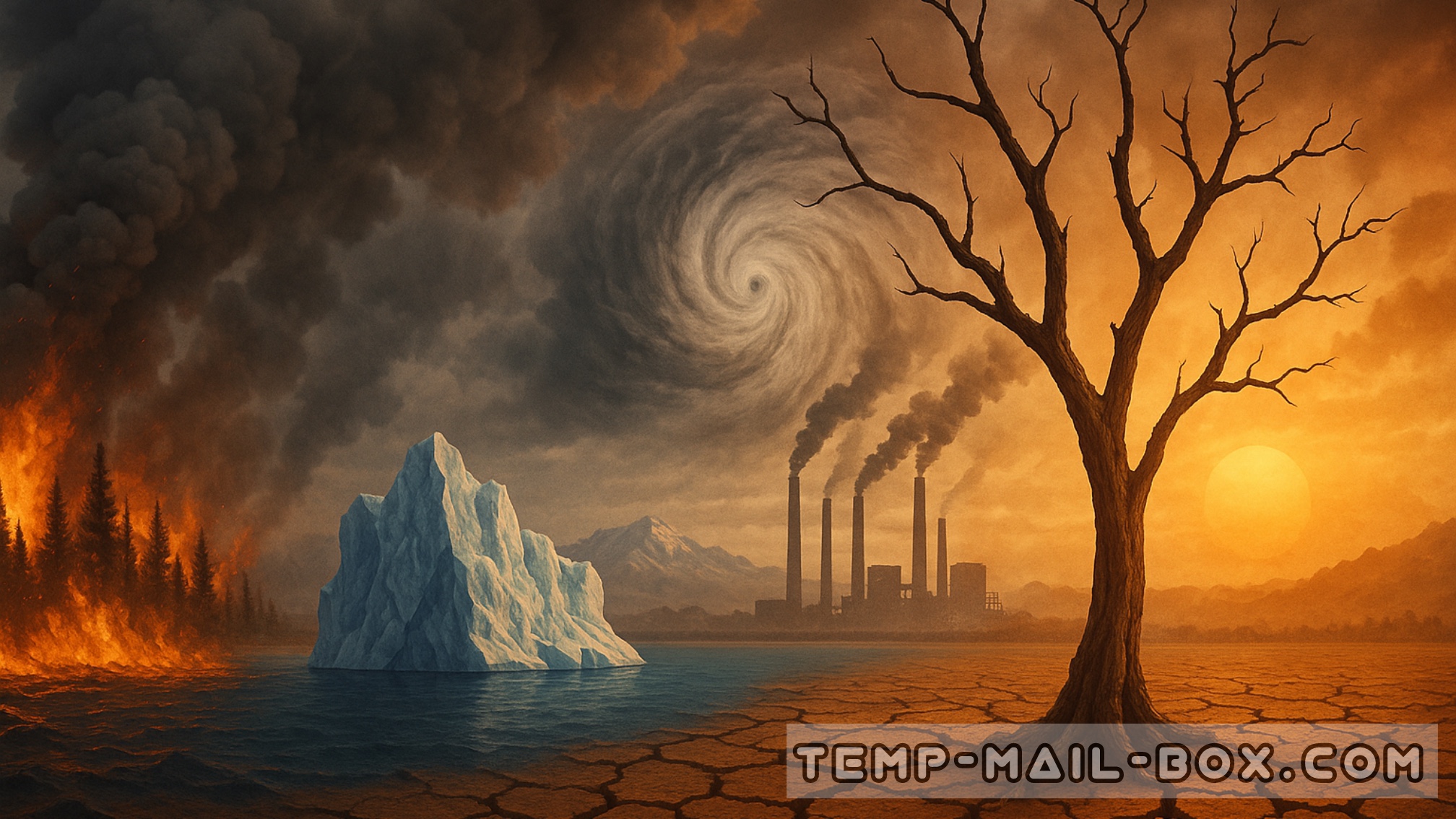
Extreme weather events have also become more frequent and intense. Heat waves now last longer and occur more often. Wildfires have destroyed millions of hectares in countries like Australia, the United States, and Canada. At the same time, hurricanes and floods are becoming stronger due to warmer ocean temperatures and higher humidity levels.
The impact on ecosystems is equally severe. Coral reefs, which host a quarter of all marine life, are bleaching and dying as ocean temperatures rise. Species are migrating toward cooler regions, and some are disappearing entirely. Agriculture is suffering from droughts and unpredictable rainfall, putting food security at risk.
However, the last 30 years have not been only about damage—they have also been a period of growing awareness and action. The Kyoto Protocol (1997) and the Paris Agreement (2015) marked major steps toward international cooperation. Renewable energy technologies, such as solar and wind, have expanded rapidly. Electric vehicles are becoming mainstream, and governments are setting goals for carbon neutrality by mid-century.
Still, scientists warn that time is running out. To prevent the worst effects of climate change, global emissions must be reduced by half by 2030. The next decade will determine whether humanity succeeds in stabilizing the planet’s climate—or crosses a point of no return.