
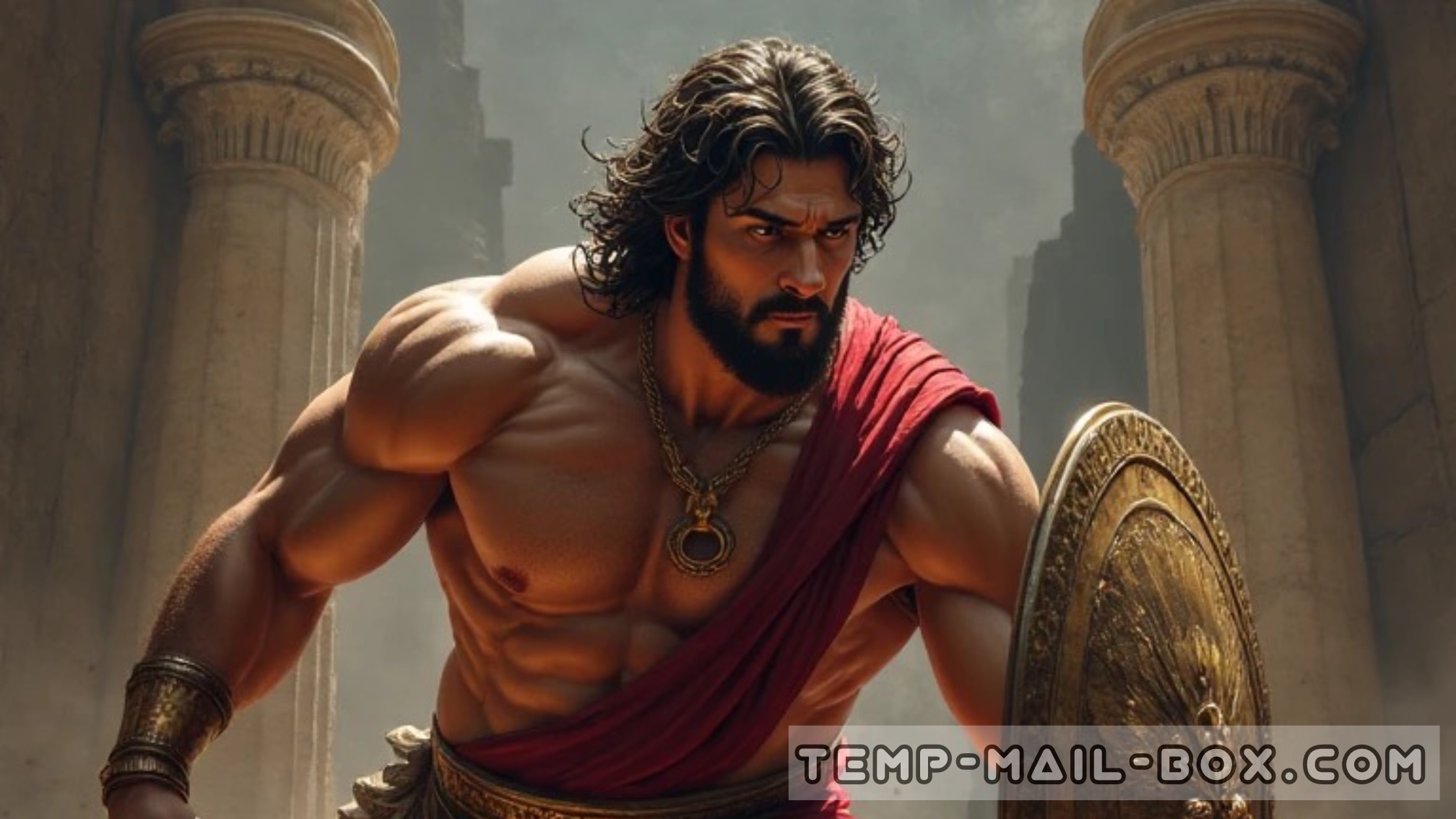
Hercules: Myth or Reality?
Hercules, known as one of the greatest heroes in Greek mythology, is a figure whose story has been told for centuries. But the question remains—was he merely a mythical character, or did he have a basis in reality? To answer this, we must explore both the mythological tale and the historical elements that may have contributed to his legacy.
The Myth of Hercules
According to Greek mythology, Hercules was the son of Zeus, the king of the gods, and Alcmene, a mortal woman. His life was marked by incredible feats and a tragic fate. From his very birth, he was destined for greatness, but also for suffering. Hera, the wife of Zeus, was jealous of Alcmene and sought to harm the newborn Hercules. She sent two serpents to kill him in his crib, but Hercules, even as an infant, displayed his legendary strength by strangling the snakes.
As Hercules grew, he became a hero renowned for his physical strength, bravery, and heroic deeds. His most famous challenges came in the form of the "Twelve Labors," a series of impossible tasks set for him by King Eurystheus. These included slaying the Nemean Lion, capturing the Golden Hind of Artemis, and obtaining the Erymanthian Boar. Each labor was a test of his strength, intellect, and endurance, pushing him to his limits.
Hercules' Historical Origins
While the legend of Hercules is well-known, historians have wondered if there could have been a real person who inspired the myth. Some scholars suggest that the character of Hercules may have been based on ancient heroes, warriors, or kings from different cultures who exhibited extraordinary strength and bravery. The stories surrounding him could have been exaggerated over time, turning a mortal man into a demi-god.
One possibility is that Hercules was inspired by early warriors who fought in the Mycenaean period (around 1600–1100 BCE). These warriors would have been involved in epic battles and undertaken heroic feats, much like the mythical Hercules. It is believed that some of these heroes were later transformed into gods in the collective imagination of the Greeks. Their heroic deeds, such as those performed by Hercules, were passed down through generations and eventually incorporated into the mythology.
Another theory is that Hercules may have been based on a real person who lived in the ancient world but whose story became mythologized over time. There were numerous legendary figures in the ancient world who had similar feats of strength and heroism, and it's possible that Hercules is a fusion of these individuals' stories.
The Impact of Hercules
Regardless of whether Hercules was based on a real person or not, his influence on Greek culture and beyond is undeniable. His story has been passed down through art, literature, and various forms of entertainment. From the ancient Greek playwrights to modern movies and comic books, Hercules remains one of the most iconic characters in Western mythology.
His legend is a symbol of perseverance, strength, and the triumph of the human spirit over seemingly insurmountable odds. The Twelve Labors of Hercules have been interpreted as a metaphor for overcoming life's challenges, and his name is synonymous with immense physical power. Furthermore, his myth helped to shape the concept of heroism in ancient Greece and set the standard for what it means to be a true hero.
Conclusion
In conclusion, whether Hercules was a real person or merely a mythological creation, his impact on culture and society is undeniable. His strength, courage, and determination continue to inspire people to this day. While we may never know the true origins of Hercules, his legacy as one of the greatest heroes in history will undoubtedly live on. His story, whether myth or reality, continues to be a timeless reminder of the power of the human spirit.