The Future of Smart Cities
The idea of smart cities has moved from science fiction to real-world planning, shaping the way future generations will live and interact with their environments. A smart city integrates cutting-edge digital infrastructure, data-driven decision-making, and sustainable design to create an efficient, safe, and comfortable urban space.
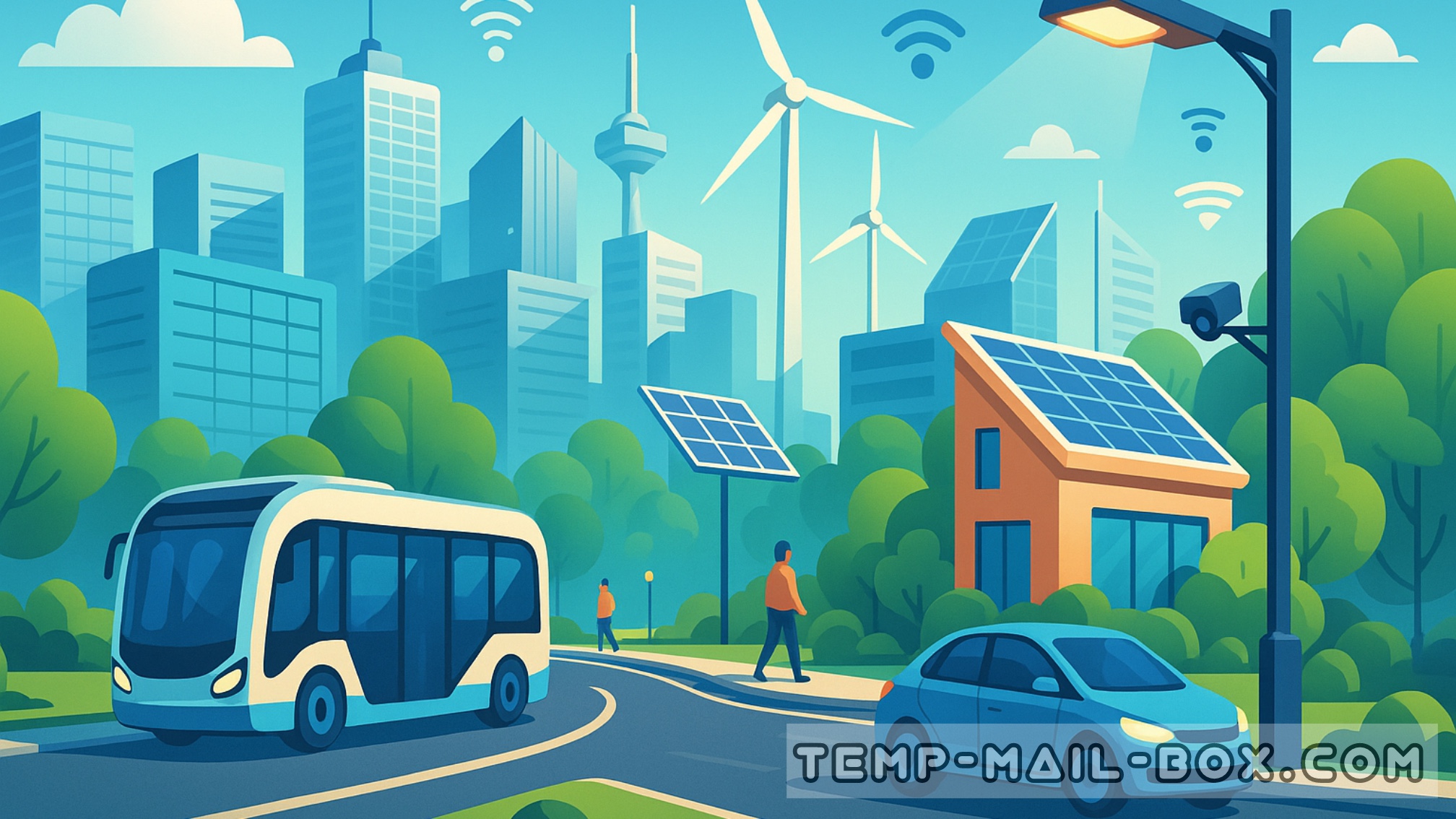
One of the key aspects of smart cities is connectivity. By implementing sensors, Internet of Things (IoT) devices, and high-speed networks, cities can monitor everything from traffic flow to energy usage. For example, adaptive traffic lights can reduce congestion by responding in real-time, while smart grids can optimize electricity distribution and cut down on waste.
Sustainability is another pillar of the smart city vision. Urban populations continue to grow, and with them, the demand for clean energy, efficient waste management, and eco-friendly transport. Electric buses, shared e-mobility services, and energy-efficient buildings are becoming standard in forward-thinking cities. By combining renewable energy sources with digital monitoring, municipalities can reduce their carbon footprint while meeting the needs of residents.
Smart cities also focus on quality of life. Intelligent healthcare systems can predict outbreaks, while AI-driven platforms can assist elderly citizens in daily activities. Safety is enhanced with connected surveillance and emergency alert systems that react faster than traditional networks. Public services, such as water management or waste collection, can be automated and adapted according to demand, reducing costs and improving efficiency.
Digital governance is the final piece of the puzzle. By offering transparent online platforms for citizen participation, governments can strengthen trust and ensure that urban development reflects the needs of the people. The collaboration between citizens, technology, and policymakers will define the success of future smart cities.
Ultimately, smart cities are not just about technology but about creating a balance between innovation and humanity. The goal is to design urban spaces that are more livable, inclusive, and sustainable—places where future generations can thrive.