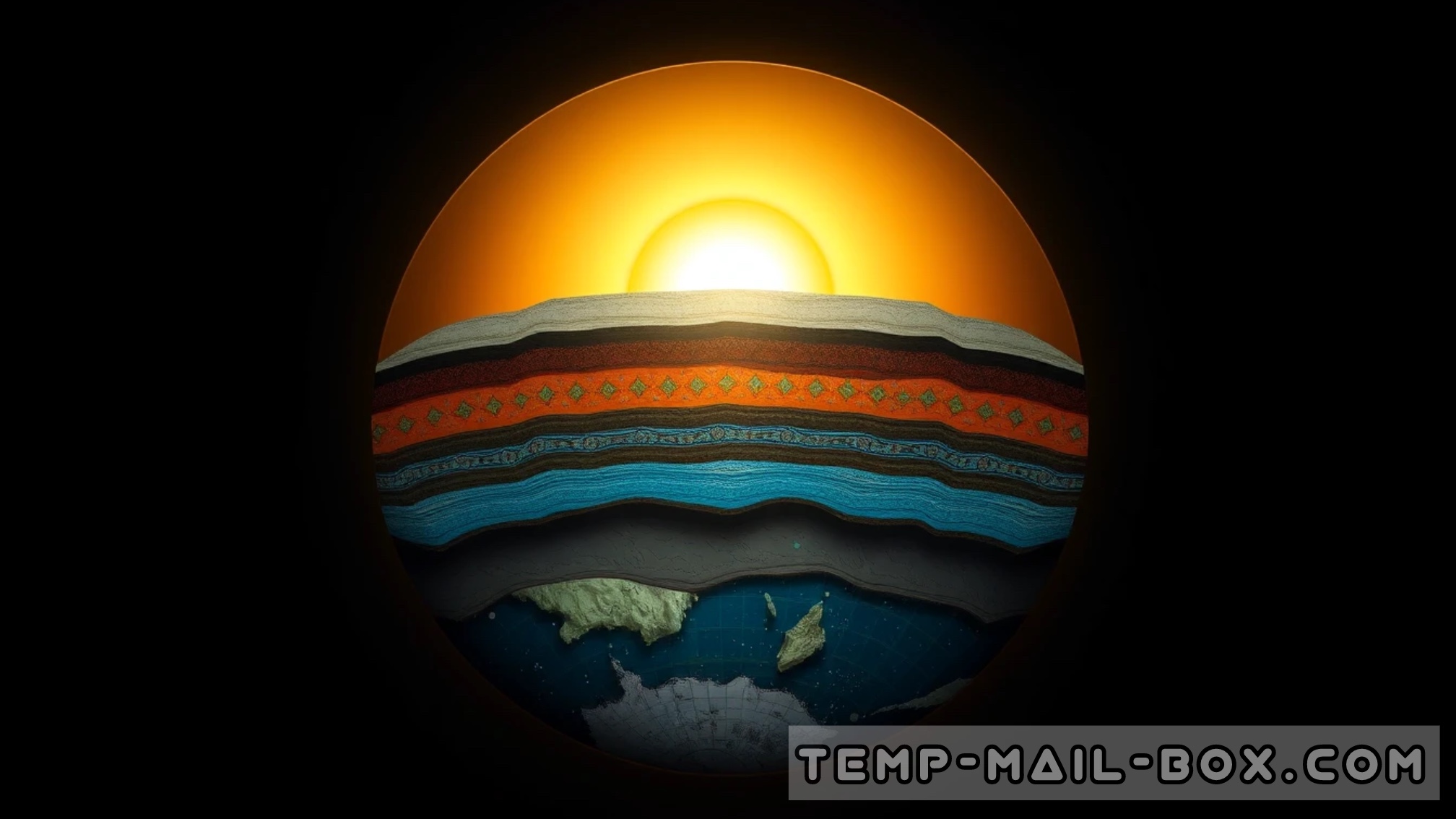
Layers of Earth's Atmosphere
The Earth's atmosphere is a complex and dynamic system that plays a crucial role in supporting life on our planet. It is divided into several distinct layers, each with its own unique characteristics and functions. In this article, we will explore the different layers of the Earth's atmosphere and their importance.
*The Five Layers of the Atmosphere*
The Earth's atmosphere is composed of five distinct layers: the troposphere, stratosphere, mesosphere, thermosphere, and exosphere.
- *Troposphere*: The troposphere is the lowest layer of the atmosphere, extending from the Earth's surface up to about 12 kilometers (7.5 miles) high. This layer is where weather occurs, and it is the most dense part of the atmosphere.
- *Stratosphere*: The stratosphere is the next layer up, extending from about 12 to 50 kilometers (7.5 to 31 miles) high. This layer is relatively stable and contains a significant amount of ozone, which absorbs ultraviolet radiation from the sun.
- *Mesosphere*: The mesosphere extends from about 50 to 85 kilometers (31 to 53 miles) high and is the layer where meteors burn up upon entering the Earth's atmosphere.
- *Thermosphere*: The thermosphere extends from about 85 to 600 kilometers (53 to 373 miles) high and is the layer where the aurorae occur.
- *Exosphere*: The exosphere is the outermost layer of the atmosphere, extending from about 600 kilometers (373 miles) high to outer space.
*Characteristics of Each Layer*
Each layer of the atmosphere has its own unique characteristics, including temperature, pressure, and composition.
- *Temperature*: The temperature of the atmosphere decreases with altitude in the troposphere and mesosphere, but increases with altitude in the stratosphere and thermosphere.
- *Pressure*: Atmospheric pressure decreases with altitude, with the pressure at the surface being about 1013 millibars.
- *Composition*: The atmosphere is composed of mostly nitrogen (78%) and oxygen (21%), with trace amounts of other gases such as argon and carbon dioxide.
*Importance of the Atmosphere*
The atmosphere plays a crucial role in supporting life on Earth. It provides oxygen for breathing, regulates temperature, and protects us from harmful radiation.
- *Oxygen supply*: The atmosphere provides oxygen for breathing, which is essential for human and animal life.
- *Temperature regulation*: The atmosphere helps regulate temperature, keeping the Earth warm enough to support life.
- *Protection from radiation*: The atmosphere protects us from harmful radiation from the sun and space.
*Conclusion*
The Earth's atmosphere is a complex and dynamic system that plays a vital role in supporting life on our planet. Understanding the different layers of the atmosphere and their characteristics is essential for appreciating the importance of this system.
*Sources:*
- National Oceanic and Atmospheric Administration (NOAA)
- National Aeronautics and Space Administration (NASA)
- American Meteorological Society (AMS)
*Interesting Facts:*
- The atmosphere is held in place by gravity, and it is constantly being lost to space.
- The atmosphere is dynamic, with air molecules constantly moving and interacting with each other.
- The atmosphere plays a crucial role in shaping our climate and weather patterns.