
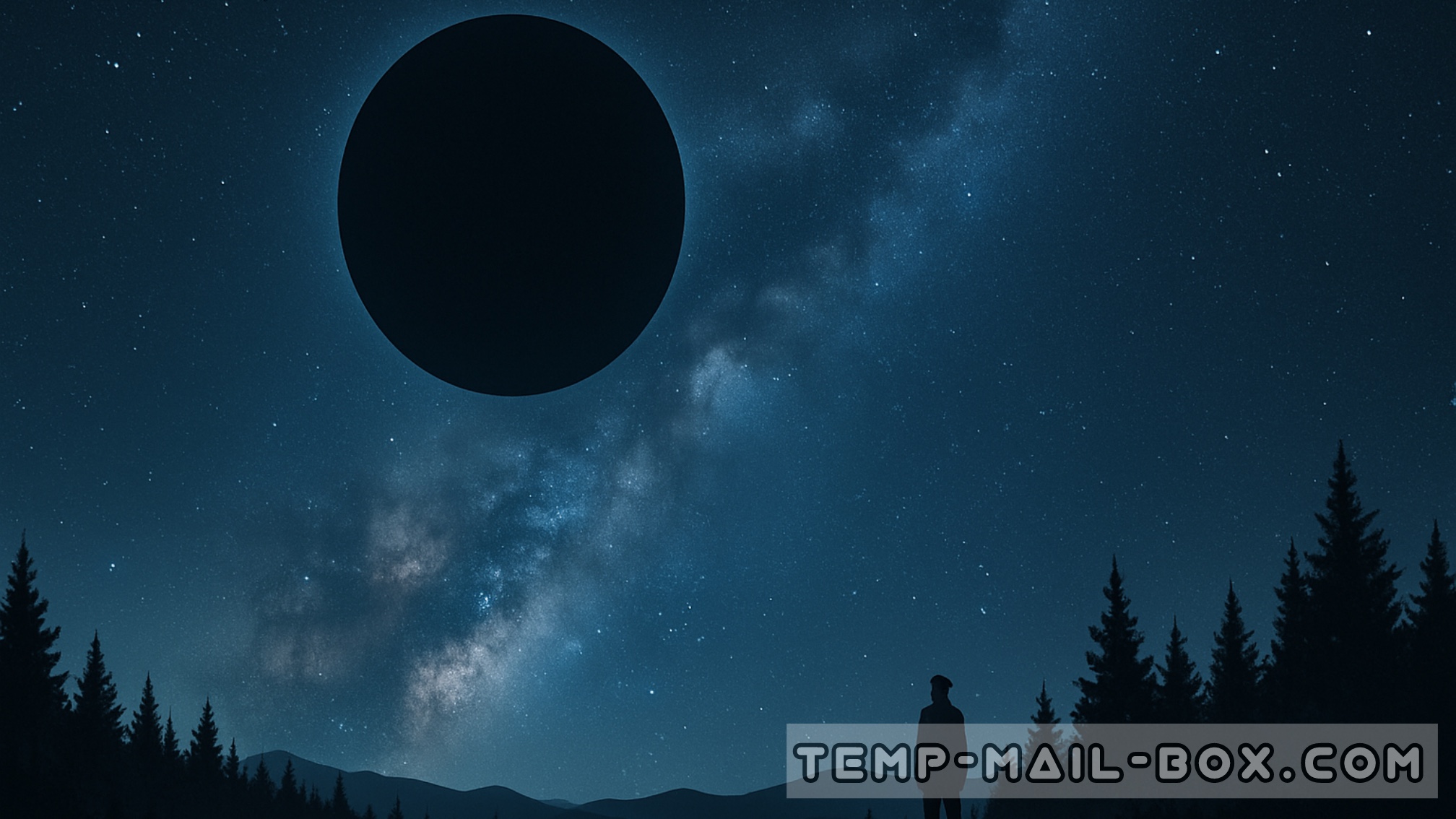
Black Moon Weekend: August 22–23
A rare “Black Moon” is about to darken the sky on the weekend of August 22–23, creating some of the best natural conditions of the year for stargazing. Despite its dramatic name, a Black Moon isn’t a supernatural sign—it’s simply a special case of a new moon, when the illuminated side of the Moon faces away from Earth and becomes nearly invisible. The result is darker skies, perfect for observing stars, planets, and the Milky Way.
There are a few definitions of the term “Black Moon.” The most common is the second new moon within a single calendar month (the opposite of a Blue Moon, which is the second full moon in a month). Another widely used definition is the third new moon in a season that has four, a rarer alignment that occurs roughly once every 33 months. The upcoming August event falls into this seasonal category.
The new moon occurs on August 23, 2025, but depending on your time zone, the nights of August 22–23 and August 23–24 will feel especially dark. Because the Moon will not be visible, it creates the perfect backdrop for deep-sky observing. This is not an eclipse or any dramatic lunar event—it’s the absence of moonlight that makes the night special.
How to enjoy the Black Moon
Find dark skies: Travel away from city lights to maximize visibility. Rural areas or designated dark-sky parks are ideal.
Look for the Milky Way: Late summer nights are prime time to see our galaxy arching across the heavens. The dust lanes and star clouds become strikingly clear without moonlight.
Adjust your eyes: Allow 20–30 minutes for your vision to adapt to the darkness for the best results.
Use binoculars or a small telescope: Star clusters, nebulae, and even faint galaxies stand out under Black Moon conditions.
Capture the night: A camera with a wide-angle lens on a tripod can record stunning Milky Way shots with just a few seconds of exposure.
What to expect
The Black Moon itself is not visible—it’s simply a dark new moon. What makes it exciting is the enhanced visibility of everything else in the night sky. From shooting stars to planets, the universe reveals itself more vividly when the Moon is absent.
Why it matters
Black Moons don’t happen often, making them a unique opportunity for amateur astronomers, photographers, and anyone who enjoys the wonder of the night sky. Whether you’re observing from your backyard or planning a trip to a remote location, this event is a reminder of how breathtaking the cosmos can be when given a truly dark canvas.