How Memory Can Be Manipulated — The Science Behind False Memories
Memory feels reliable. We trust our recollections to guide decisions, shape identity, and confirm what truly happened. Yet decades of psychological research reveal a surprising truth: memory is not a perfect recording of the past. It is reconstructive, flexible, and sometimes vulnerable to manipulation.
Unlike a video camera, the brain does not store experiences as fixed files. Instead, it encodes fragments—sensory details, emotions, and interpretations—which are later reconstructed when we recall them. Each act of remembering subtly reshapes the memory itself. This process, known as reconsolidation, makes memories dynamic rather than static.
False memories can form in several ways. One common mechanism is suggestion. When people are exposed to misleading information after an event, they may incorporate it into their memory. Experiments have shown that even simple wording changes in questions can alter how individuals recall details such as speed, objects, or emotions.
Social influence also plays a powerful role. Conversations with others can unintentionally reshape recollections. If multiple people confidently describe an event in a certain way, individuals may begin to doubt their own memories and adopt the shared version instead.
Emotional intensity further complicates memory accuracy. Highly stressful or traumatic experiences can feel vivid and unforgettable. However, vividness does not guarantee precision. Strong emotions can narrow attention to certain details while distorting others.
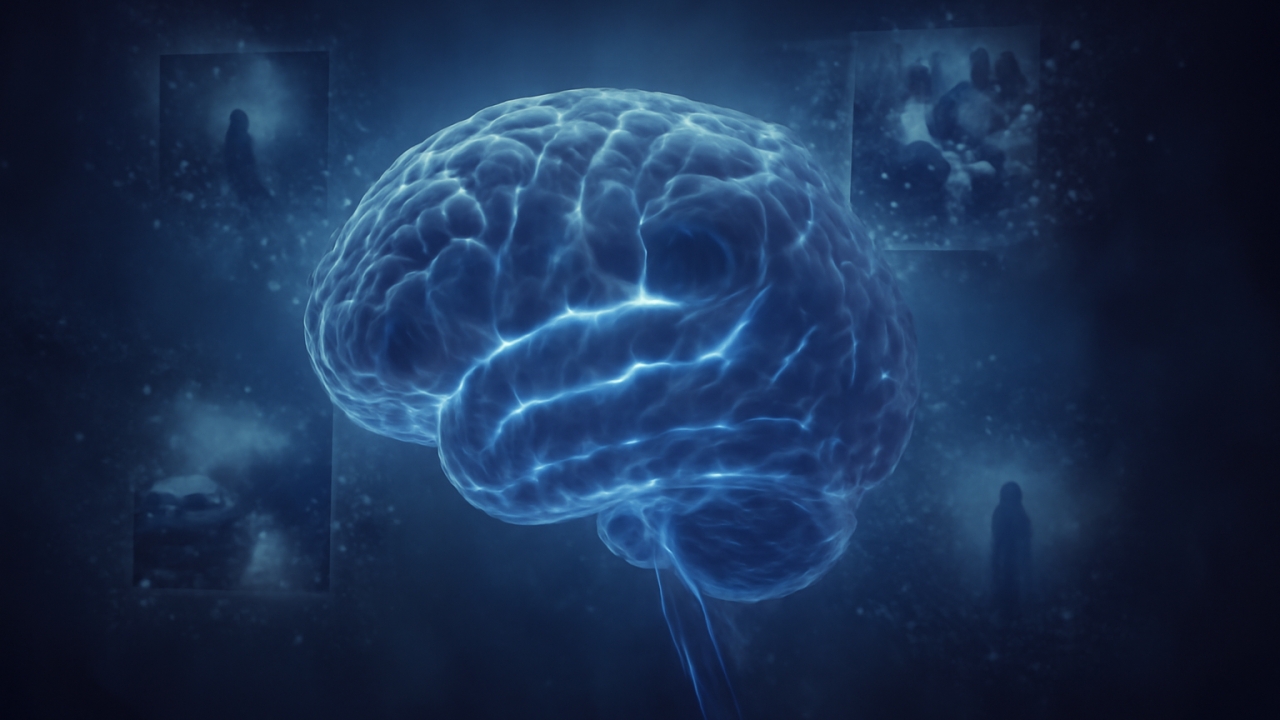
Neuroscience has identified brain regions involved in this process. The hippocampus plays a central role in forming and retrieving memories, while the prefrontal cortex helps organize and evaluate them. Because these systems interact with emotion-processing areas, memories are influenced by context and current mental state.
False memories are not necessarily signs of weakness or deception. They arise from the very mechanisms that make human memory adaptable. This flexibility allows us to learn, generalize, and imagine future possibilities—but it also leaves room for error.
Understanding memory manipulation has important implications. In legal settings, eyewitness testimony can be influenced by questioning techniques or exposure to media. In everyday life, repeated narratives may reshape personal history without us realizing it.
Researchers continue to study how memories can be strengthened, corrected, or even therapeutically modified. Some therapies aim to reduce the emotional intensity of traumatic memories, while ethical debates explore the boundaries of intentional memory alteration.
Ultimately, memory is less like a hard drive and more like a living story constantly revised. Recognizing its flexibility does not undermine its value—it deepens our understanding of how the human mind constructs reality.