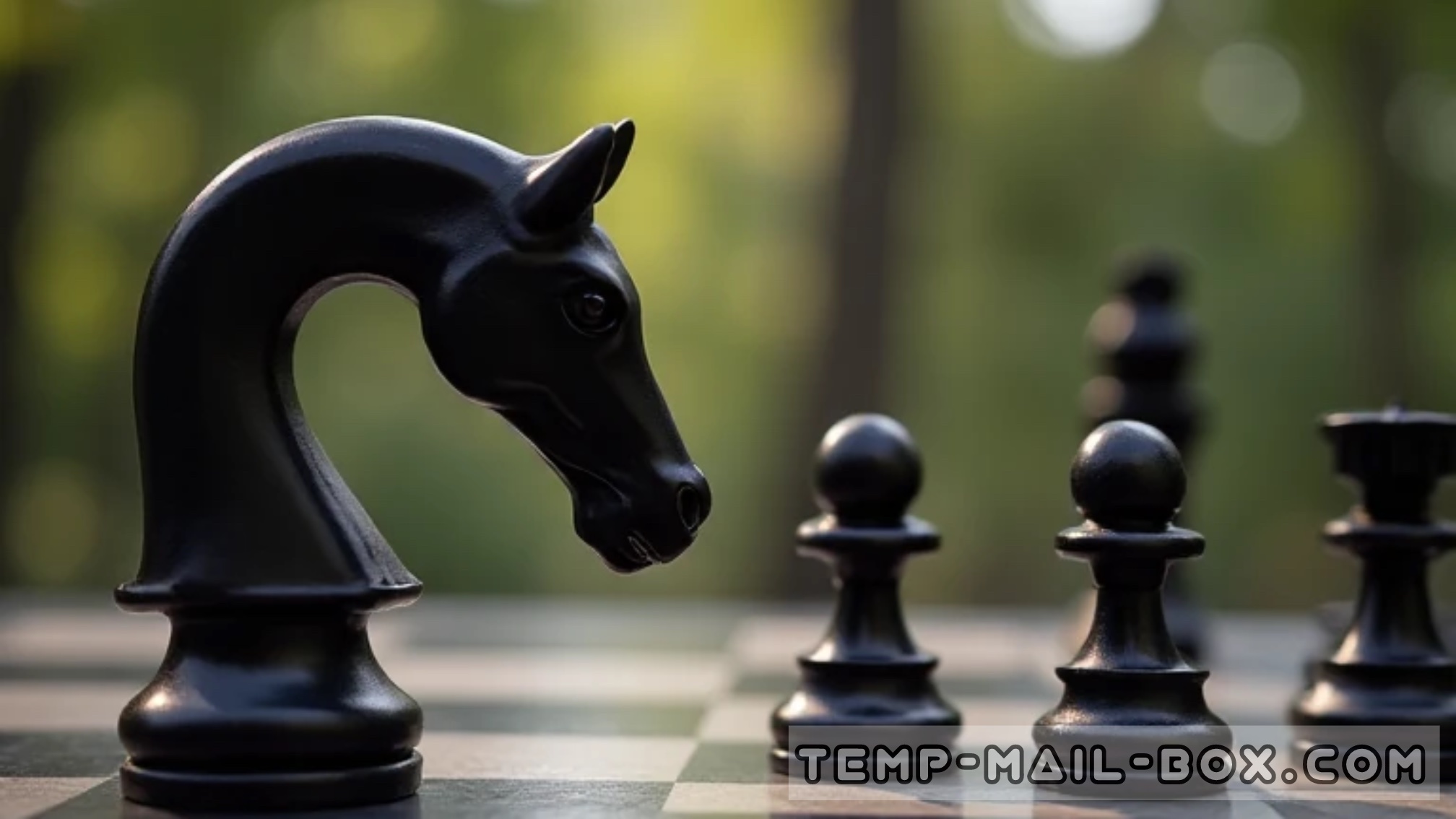
Chess: A Game Through Time
### Origins of Chess
Chess is one of the oldest and most revered board games in human history. Its origins can be traced back to **ancient India**, where a game called **Chaturanga** was played as early as the 6th century AD. Chaturanga, which means "four divisions of the military," represented infantry, cavalry, elephants, and chariots—early versions of modern chess pieces. The game spread to **Persia**, where it became known as **Shatranj**, and later, through the Arab world, it reached **Europe** by the 9th century.
### Chess in the Middle Ages
By the time chess reached **medieval Europe**, it had undergone several transformations. The game became popular among nobility and was often used as a metaphor for strategy and warfare. The pieces took on familiar forms, such as the king, queen, bishop, knight, rook, and pawn. The game was slower and more methodical compared to modern chess, with the queen and bishop having much weaker movement abilities.
During the **15th century**, significant changes were made to chess, primarily in **Spain and Italy**. The **queen** became the most powerful piece, able to move in any direction across the board. The **bishop** also gained the ability to move diagonally for any number of squares. These changes made the game much faster and more dynamic, leading to the birth of **modern chess**.
### The Rise of Competitive Chess
By the **18th century**, chess had developed into a competitive intellectual sport. The first **chess clubs** emerged in **France and England**, and skilled players gained recognition for their strategic mastery. The game’s first recorded master was **François-André Danican Philidor**, a French musician and chess player who wrote an influential book on chess strategy.
The **19th century** saw the first **official chess tournaments**, including the famous **London 1851 tournament**, won by Adolf Anderssen. The development of **standard chess notation** and formalized rules made competitive play more accessible and structured.
### The Birth of the World Chess Championship
In **1886**, the first official **World Chess Championship** was held, with **Wilhelm Steinitz** becoming the first recognized world champion. Steinitz revolutionized chess by introducing positional play, emphasizing strategy over aggressive tactics. His successors, including **Emanuel Lasker, José Capablanca, and Alexander Alekhine**, each contributed to the evolving understanding of chess strategy.
### Chess in the 20th Century
The **20th century** marked a golden age for chess, with the rise of legendary players like **Bobby Fischer, Anatoly Karpov, and Garry Kasparov**. The intense rivalry between the **Soviet Union** and the **West** turned chess into a global battleground during the Cold War. The 1972 **Fischer-Spassky match**, in which American Bobby Fischer defeated Soviet champion Boris Spassky, remains one of the most famous chess matches in history.
The **computer revolution** also changed chess, with IBM's **Deep Blue** defeating Garry Kasparov in **1997**, marking the first time a reigning world champion lost to a computer. Today, chess engines and artificial intelligence play a crucial role in training and analyzing games.
### Chess in the Modern Era
With the rise of **online chess platforms** like **Chess.com** and **Lichess**, chess has become more accessible than ever. Streaming and online tournaments have introduced a new generation to the game, with players like **Magnus Carlsen**, the current world champion, leading the way. Chess is now recognized as both an intellectual pursuit and a global sport, enjoyed by millions around the world.
### Conclusion
From its origins in ancient India to its role in modern technology and esports, **chess remains one of the most enduring and fascinating games in history**. Its evolution reflects not just strategic thinking, but also the cultural and intellectual growth of humanity. Whether played for fun, competition, or education, chess continues to inspire and challenge players of all ages.