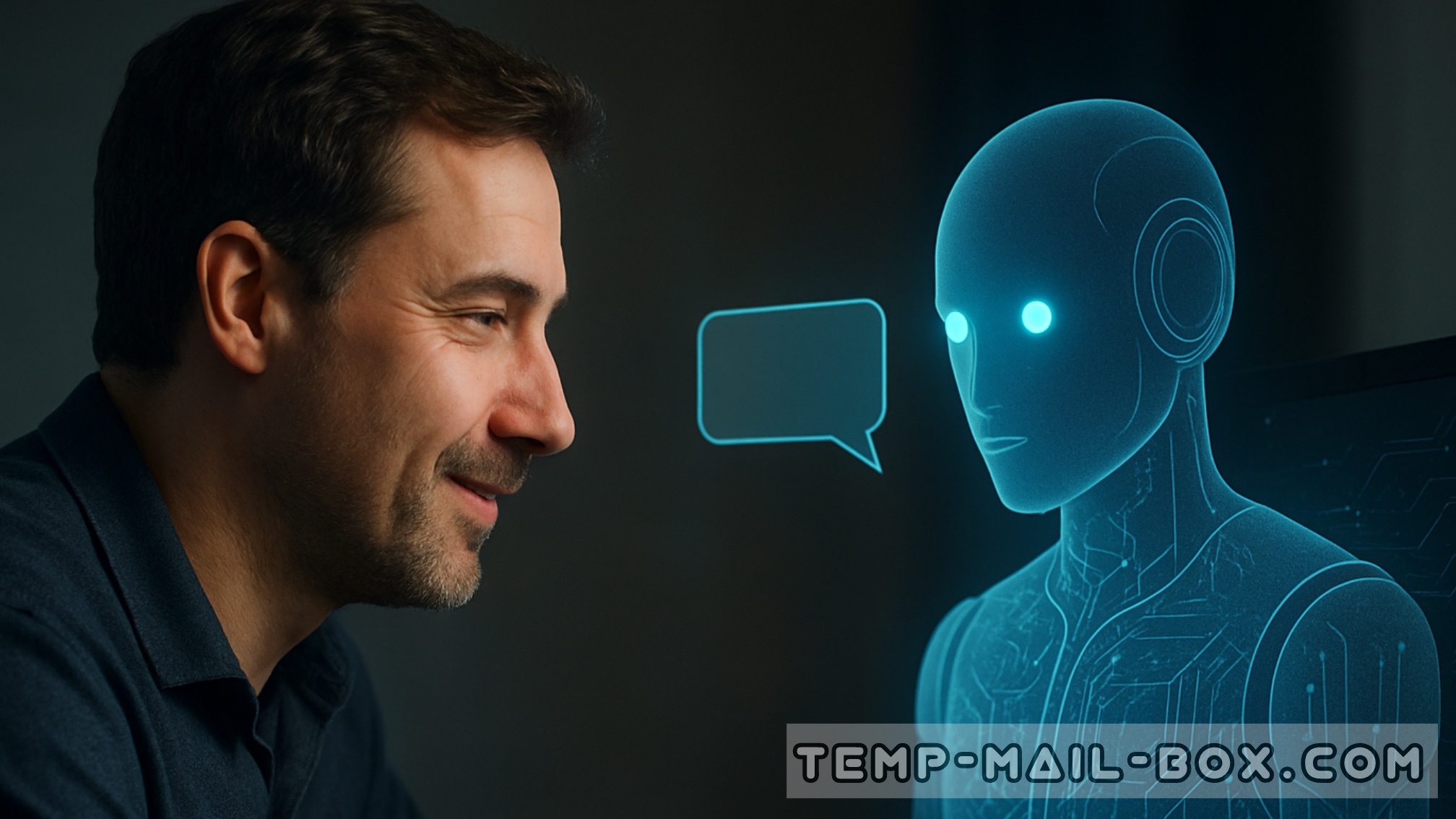
Eliza Effect 2.0: Talking to Algorithms
The so-called Eliza Effect describes a fascinating psychological phenomenon: people tend to attribute human-like intelligence, emotions, or understanding to machines, even when they are simply executing programmed responses. The term originated in the 1960s with Joseph Weizenbaum’s computer program ELIZA, which mimicked a psychotherapist by repeating and rephrasing users’ statements. Despite its simplistic design, many users felt they were conversing with a real, empathetic mind.
Fast forward to the present, and the Eliza Effect 2.0 is everywhere. Modern chatbots and large language models are far more advanced than their early predecessors. They can generate coherent texts, imitate different styles, provide reasoning, and even crack jokes. Yet, at their core, these systems are not conscious beings. They operate through probabilities, pattern recognition, and vast amounts of data — not genuine thoughts or emotions.
Why, then, do humans so easily believe that “there is a mind” behind the words? Cognitive science provides part of the answer. Humans are naturally predisposed to anthropomorphize — to project human qualities onto non-human entities. This tendency makes us see faces in clouds, assign personalities to cars, and treat chatbots like companions. When responses from an AI system appear contextually relevant, polite, or witty, our brains automatically interpret them as signs of understanding.
The illusion becomes stronger because algorithms exploit linguistic cues that our species has evolved to rely on. We are hardwired to connect meaning to words, tone, and rhythm. When a machine delivers language fluently, it bypasses our rational skepticism and triggers social instincts. For instance, a well-phrased apology from a chatbot may feel sincere, even though it is nothing more than a scripted or probabilistic output.
The implications of Eliza Effect 2.0 are profound. On the positive side, this phenomenon enables smoother human-machine interaction, making digital assistants more approachable and user-friendly. On the negative side, it can lead to false trust, overreliance, or even manipulation, especially when commercial or political entities design algorithms to exploit human empathy.
Understanding the Eliza Effect today requires acknowledging both our psychological vulnerabilities and the technical realities of AI. Algorithms are powerful tools, but they do not think or feel. Recognizing this distinction helps us remain critical and prevents us from confusing simulation with sentience. The next time you find yourself charmed or comforted by a chatbot, remember: the “mind” you are speaking to is not there — it is only a mirror reflecting patterns of human language back at you.