Fasting vs Cancer: How Autophagy Destroys Dangerous Cells
In recent years, the concept of autophagy has drawn significant attention in the fields of medicine and longevity research. The word itself comes from Greek, meaning “self-eating,” and this is quite literally what happens during the process — your cells start to clean themselves up. But how can this mechanism, which is activated during fasting, actually help the body fight one of the deadliest diseases — cancer?
What Is Autophagy?
Autophagy is a natural physiological process by which the body breaks down and recycles damaged or dysfunctional cellular components. Think of it as a deep-cleaning service for your cells. It becomes highly active when the body is under stress — for example, during fasting, intense exercise, or even infection. During autophagy, old or damaged proteins and organelles are dismantled and either reused or removed, making way for newer, healthier components.
Fasting as a Trigger
One of the most effective and well-researched triggers of autophagy is fasting — particularly intermittent fasting (like the 16/8 method) or longer fasting periods of 24–72 hours under medical supervision. When we stop eating, insulin levels drop and the body begins using stored energy, which initiates autophagy.
Studies show that fasting for 12–16 hours can begin to trigger this process. However, deeper cellular cleanup — including the destruction of pre-cancerous cells — may require longer fasts.
Cancer and Cellular Garbage
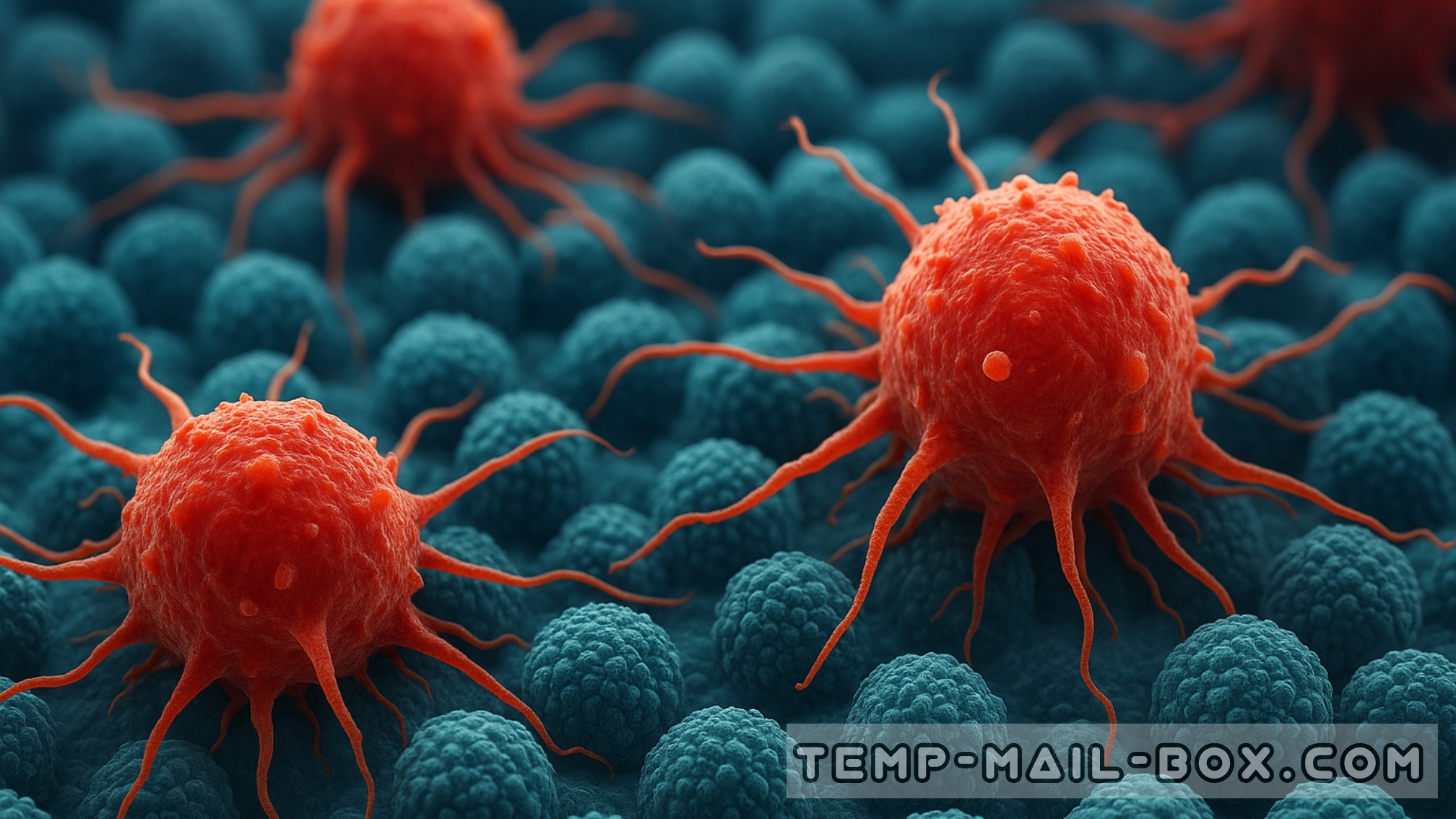
Cancer often begins with damaged or mutated cells that somehow avoid detection by the immune system. If these cells continue to grow unchecked, tumors can form. Autophagy helps prevent this by identifying and degrading abnormal proteins and cells before they can become a threat.
In fact, several studies on animals and cell cultures have shown that autophagy plays a dual role in cancer: preventing its onset by removing dangerous components early, and slowing its growth by depriving cancer cells of nutrients during fasting.
Autophagy and Immune System Boost
Aside from cancer defense, autophagy strengthens the immune system. It enhances the function of white blood cells, helps the body better identify harmful invaders, and supports the regeneration of immune cells — especially after chemotherapy or infections. This makes it a valuable ally not only in prevention but also in recovery.
The Future of Autophagy-Based Therapies
Scientists are exploring drugs that can induce autophagy without the need for prolonged fasting. However, controlled fasting remains one of the most accessible and natural ways to activate this self-healing mechanism.
It’s crucial to note that fasting is not a replacement for cancer treatment, but it may complement traditional therapies. Always consult with a healthcare professional before starting any fasting regimen, especially if you have a chronic illness or are undergoing medical treatment.
Conclusion
Autophagy is a remarkable biological process that holds great promise in the fight against cancer and other age-related diseases. By incorporating mindful fasting into your routine, you might be giving your cells the reset they need — reducing your risk of dangerous mutations and empowering your body’s natural defense systems.