
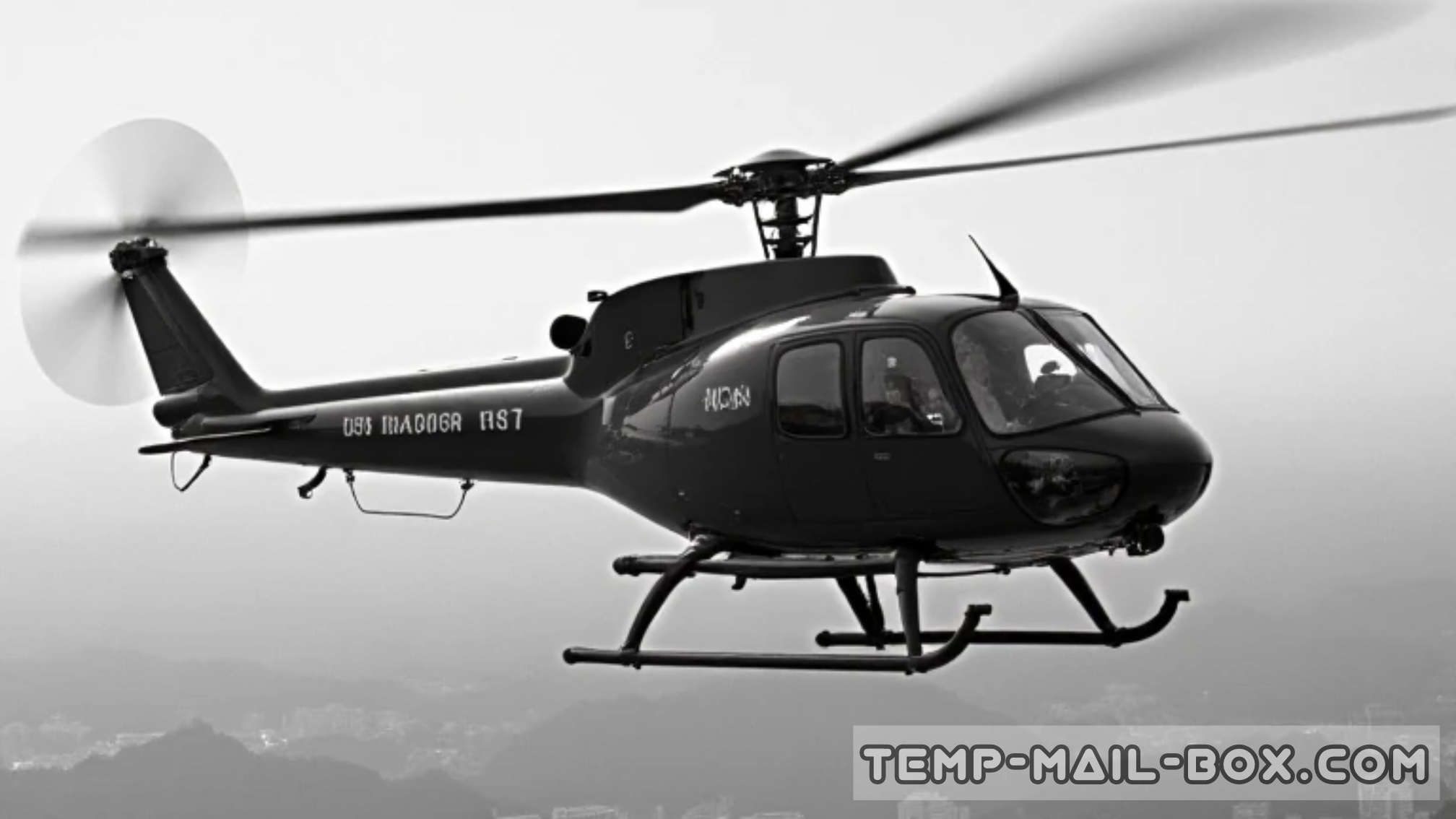
The Birth of the Helicopter: Igor Sikorsky's Revolutionary Design
The helicopter, a staple of modern aviation, has a rich and fascinating history that spans over a century. The first successful helicopter was designed and built by Igor Sikorsky, a Russian-born engineer, in the early 20th century.
_Early Experimentation_
Sikorsky's interest in helicopters began in the early 1900s, when he was a student at the University of Kiev. He was fascinated by the concept of vertical flight and spent countless hours studying and experimenting with different designs. In 1909, Sikorsky built his first helicopter prototype, but it was not successful.
_The Breakthrough_
Sikorsky's breakthrough came in 1939, when he designed and built the VS-300, the first successful single-rotor helicopter. The VS-300 had a single main rotor and a tail rotor, which provided stability and control. On September 14, 1939, Sikorsky successfully flew the VS-300 for the first time, marking a major milestone in aviation history.
_Innovative Design_
Sikorsky's design was revolutionary because it introduced several innovative features that are still used in modern helicopters. These features included a single main rotor, a tail rotor, and a cyclic control system, which allowed the pilot to control the angle of the rotor blades.
_The Impact_
The development of the helicopter had a significant impact on aviation and beyond. Helicopters quickly became an essential tool for military, medical, and search and rescue operations. They also opened up new possibilities for transportation, tourism, and recreation.
_Conclusion_
Igor Sikorsky's innovative design and perseverance paved the way for the development of modern helicopters. Today, helicopters are an integral part of our lives, and their impact on aviation and society cannot be overstated.