
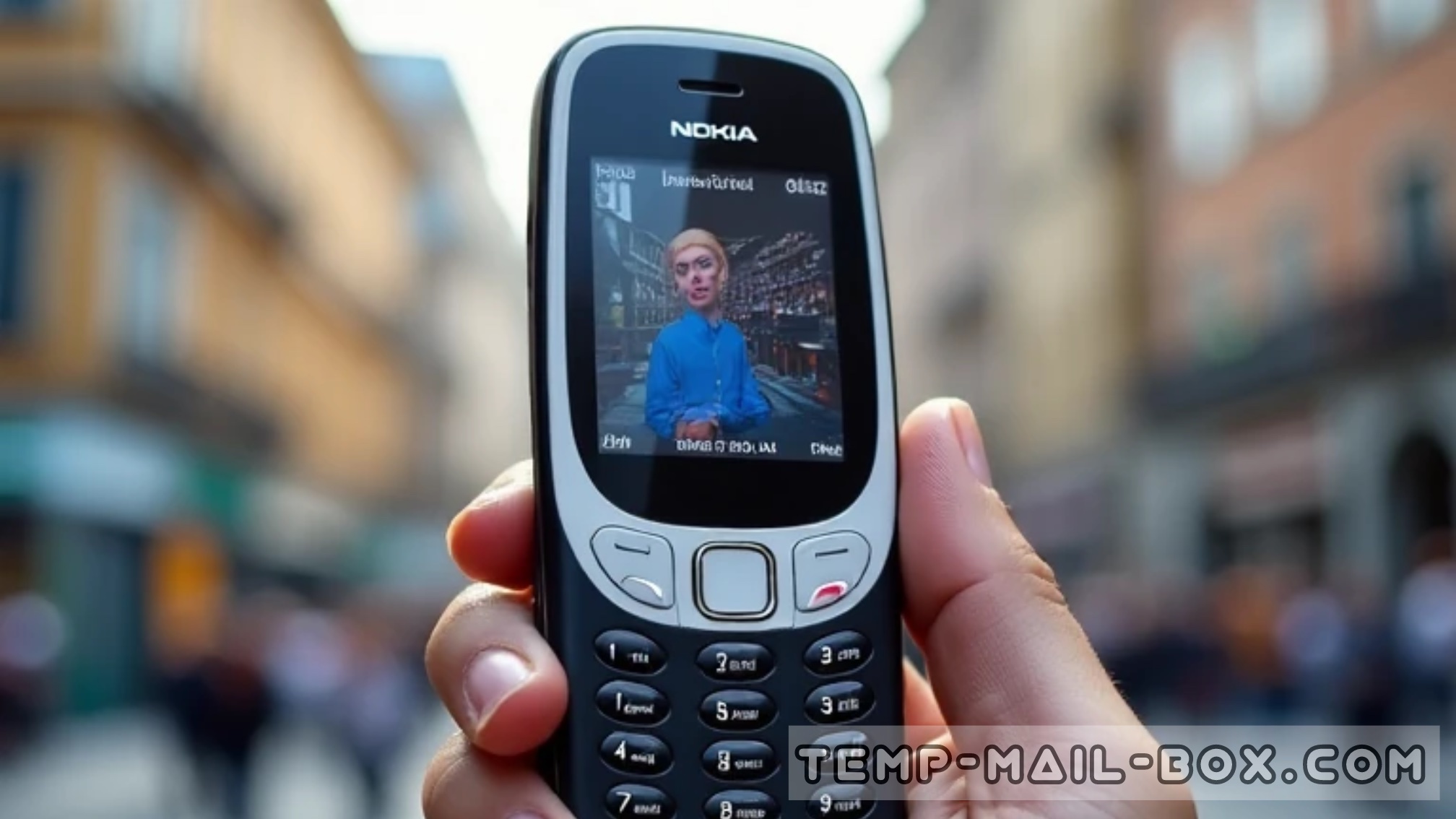
The Rise and Fall of a Mobile Empire: The Nokia Story
Nokia, one of the most iconic and recognizable brands in the world, has a rich and fascinating history that spans over 150 years. From its humble beginnings as a paper mill in Finland to its rise as a global leader in the mobile phone industry, Nokia's story is one of innovation, perseverance, and transformation.
*Early Years (1865-1960s)*
Nokia was founded in 1865 by Fredrik Idestam, a Finnish mining engineer, as a paper mill in Tampere, Finland. The company was originally called Nokia Aktiebolag, and its primary product was paper. Over the years, Nokia expanded its operations to include rubber production, electricity generation, and telecommunications.
*Entry into Telecommunications (1960s-1980s)*
In the 1960s, Nokia began to focus on telecommunications, producing its first electronic devices, including telephones and televisions. The company's first mobile phone, the Mobira Senator, was launched in 1982. Although it was not a commercial success, it marked the beginning of Nokia's journey in the mobile phone industry.
*Rise to Global Dominance (1990s-2000s)*
The 1990s saw Nokia's rise to global dominance in the mobile phone industry. The company launched a series of innovative and popular phones, including the Nokia 5110, Nokia 6110, and Nokia 3310. These phones were known for their durability, ease of use, and innovative features, such as Snake, a popular mobile game.
Nokia's success was fueled by its commitment to innovation, quality, and design. The company invested heavily in research and development, and its design team created some of the most iconic and recognizable phone designs in the world.
*Challenges and Decline (2000s-2010s)*
In the 2000s, Nokia faced significant challenges from emerging competitors, such as Apple and Samsung. The company struggled to adapt to the changing market landscape, and its market share began to decline.
In 2011, Nokia announced a major strategic shift, abandoning its Symbian operating system and adopting Microsoft's Windows Phone platform. However, this move failed to stem the decline, and Nokia's market share continued to fall.
*Microsoft Acquisition and Legacy (2014-Present)*
In 2014, Microsoft acquired Nokia's mobile device division, marking the end of Nokia's independence. Although the Nokia brand continued to be used on mobile devices, the company's legacy as a mobile phone manufacturer came to an end.
Today, the Nokia brand is licensed to HMD Global, a Finnish company that produces Android-based smartphones under the Nokia brand. Although Nokia is no longer a major player in the mobile phone industry, its legacy continues to inspire innovation and design in the tech industry.
In conclusion, Nokia's story is one of innovation, perseverance, and transformation. From its humble beginnings as a paper mill to its rise as a global leader in the mobile phone industry, Nokia's legacy continues to inspire and influence the tech industry today.
*Sources:*
- "Nokia: The Inside Story" by Martti Haikio
- "The Nokia Revolution" by Dan Steinbock
- Nokia's official website
- Microsoft's official website