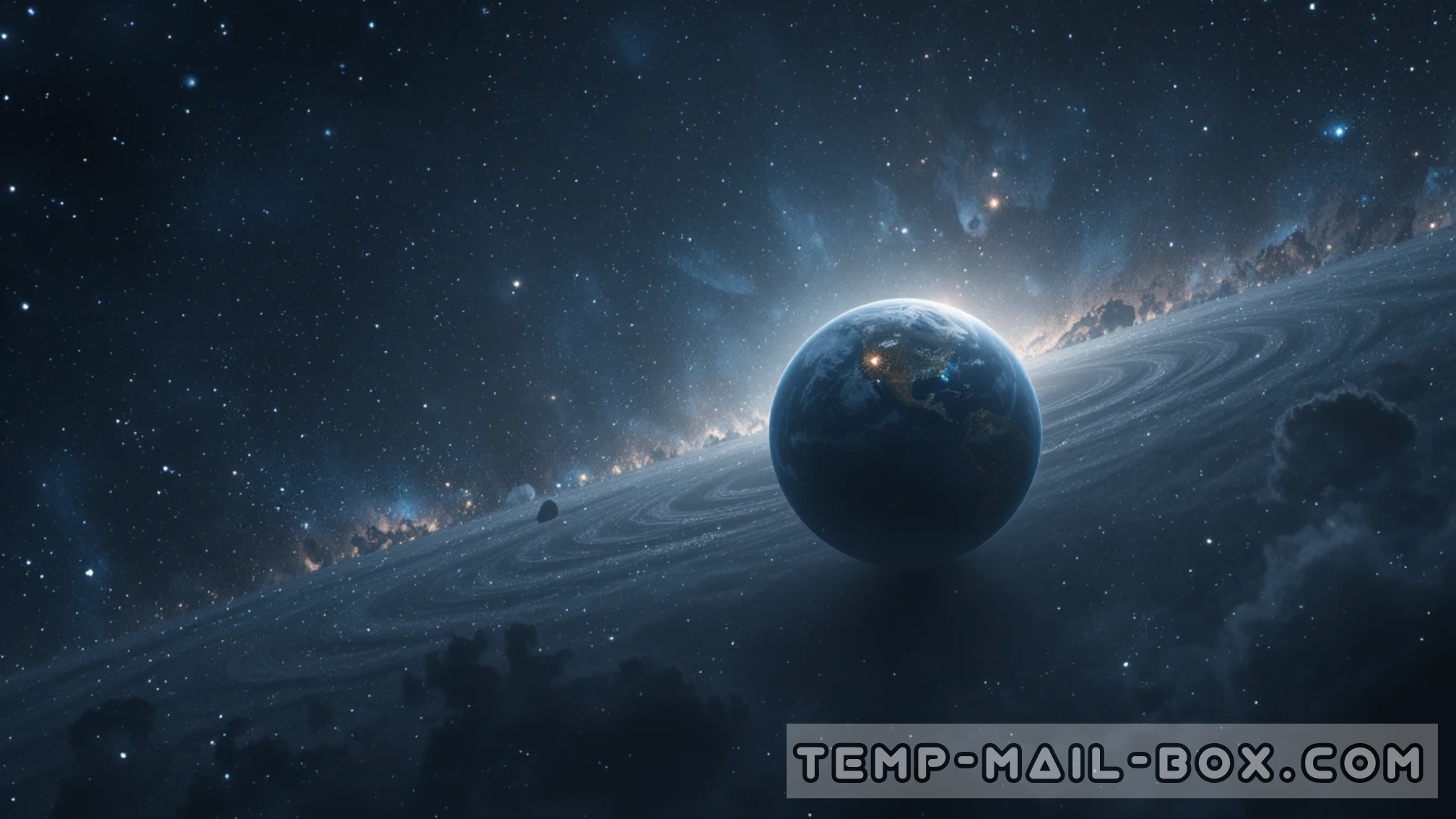
Why We Still Haven’t Found Alien Life
The question of whether we are alone in the universe has fascinated humanity for centuries. With billions of galaxies, each containing billions of stars and potentially habitable planets, the absence of confirmed alien life seems puzzling. Despite rapid advances in astronomy and space exploration, we still have no clear evidence of extraterrestrial civilizations. There are several scientific reasons why the search has proven so difficult.
One of the main explanations is the vast scale of the universe. Space is unimaginably large, and even signals traveling at the speed of light can take thousands or millions of years to cross interstellar distances. Humanity has been actively searching for extraterrestrial signals for only a few decades — a very short moment on a cosmic timescale. It is possible that signals exist, but we have not looked long enough or in the right direction.
Another challenge lies in the limits of our technology. While modern telescopes can detect distant planets and analyze their atmospheres, identifying clear signs of life remains extremely complex. Many potential biosignatures, such as certain gases, can also be produced by non-biological processes. Distinguishing life from natural planetary chemistry requires more precise instruments and long-term observation.
The famous Fermi Paradox highlights this contradiction: if intelligent life is common, why do we see no evidence of it? One possible answer is that intelligent civilizations may be rare or short-lived. Technological societies could destroy themselves through war, environmental collapse, or loss of resources before achieving long-term space communication or travel.
Another possibility is that alien life exists but does not communicate in ways we expect. Our searches often focus on radio signals or technologies similar to our own. Extraterrestrial civilizations might use communication methods beyond our current understanding or have no interest in broadcasting their presence into space.
There is also the idea that life may be widespread, but mostly simple. Microbial organisms could exist on many planets without ever evolving into complex or intelligent forms. In this case, alien life may be abundant, yet extremely difficult to detect from vast distances.
Finally, some scientists suggest that we may be early arrivals in the universe. Intelligent life could emerge later, long after humanity’s current era. If this is true, then the silence of the cosmos is temporary rather than permanent.
In the end, the lack of evidence does not mean the absence of life. It reflects the limits of our methods, technology, and time. As new telescopes, missions, and scientific approaches emerge, the search for alien life continues — slowly expanding humanity’s understanding of its place in the universe.