
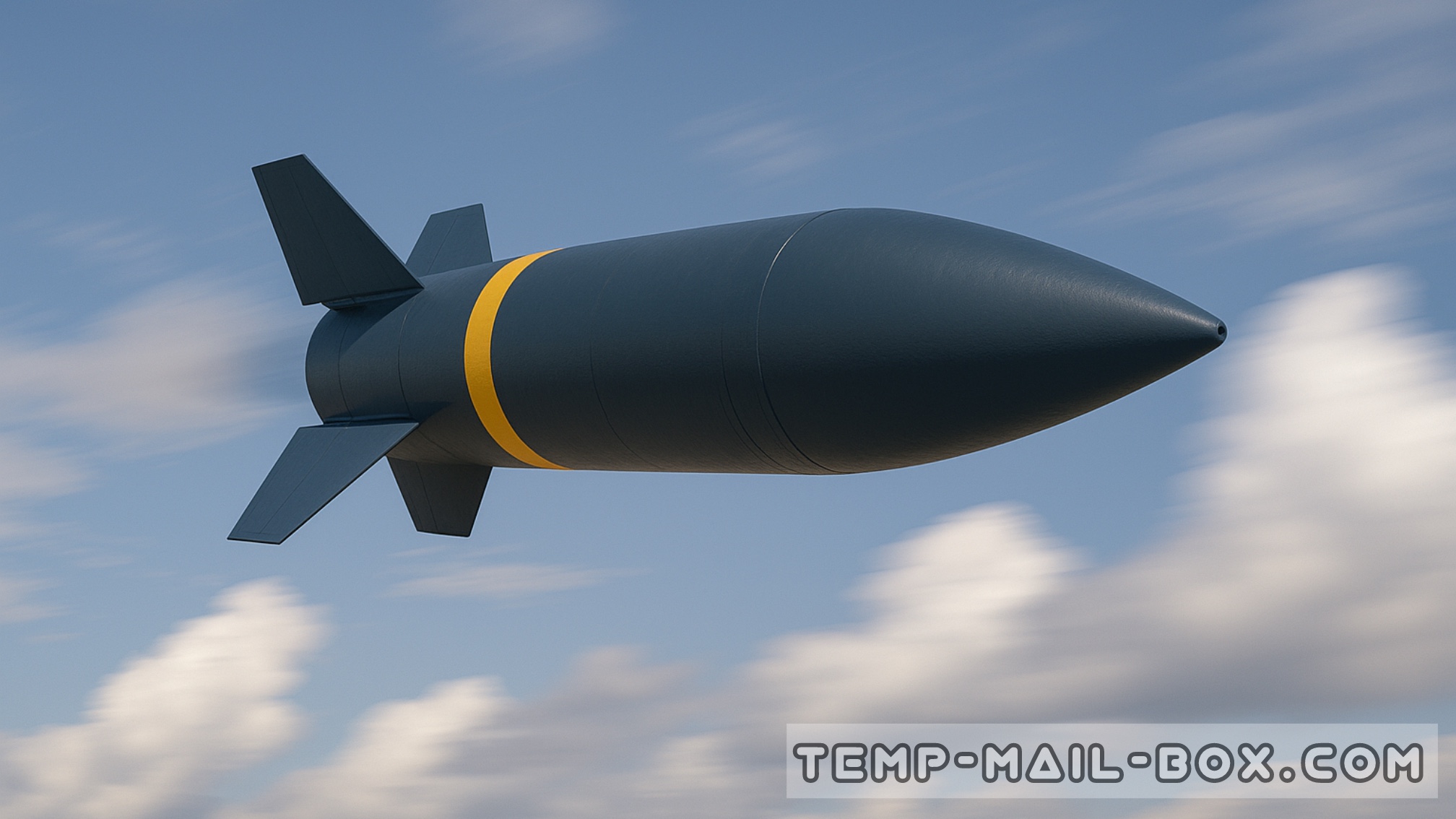
GBU-57: The World’s Most Powerful Bunker Buster
The GBU-57 Massive Ordnance Penetrator (MOP) stands as one of the most formidable non-nuclear weapons ever developed by the United States. Designed specifically to penetrate deeply buried and fortified enemy targets, this 30,000-pound bomb is the ultimate tool for taking out underground bunkers, command centers, and weapons facilities hidden beneath layers of rock and concrete.
A Response to New Threats
The development of the GBU-57 was triggered by the emergence of heavily fortified underground facilities in countries like North Korea and Iran. Traditional bombs and bunker busters like the GBU-28 were no longer sufficient to neutralize such threats. In response, the U.S. military collaborated with Boeing and the Defense Threat Reduction Agency to create a weapon that could go deeper, hit harder, and destroy targets previously thought invulnerable.
Design and Capabilities
Weighing over 13,600 kilograms (30,000 pounds), the GBU-57 is carried by strategic bombers such as the B-2 Spirit and potentially the B-21 Raider in the future. It is approximately 6.2 meters (20.5 feet) long and filled with over 5,300 pounds of explosives. The bomb is GPS-guided, ensuring pinpoint accuracy even from high altitudes.
But what makes the MOP unique is its penetration capability. It can burrow through 60 meters (200 feet) of reinforced concrete or even more if dropped from higher altitudes. This makes it a key strategic weapon for targeting underground facilities where nuclear weapons or high-value command structures may be concealed.
Testing and Deployment
Since its development in the late 2000s, the GBU-57 has undergone extensive testing. Though exact combat usage remains classified, its mere existence acts as a deterrent. The U.S. military maintains a small stockpile, ready for use in scenarios that require overwhelming, precise firepower against deeply buried infrastructure.
Strategic Impact
The presence of the GBU-57 in the U.S. arsenal reflects a broader shift in modern warfare. As adversaries move their critical assets underground to evade detection and destruction, the need for deep-penetration weapons has grown. The GBU-57 is not just a bomb; it is a message to the world that even the most fortified facilities are within reach.
Ethical and Geopolitical Considerations
While the GBU-57 is a conventional weapon, its massive size and devastating capability place it close to the threshold of strategic arms. Its use would likely have significant geopolitical ramifications, particularly if deployed in volatile regions. As such, it’s a weapon of last resort — one that exemplifies power through presence rather than frequent use.