Will Humans Live Longer Thanks to Science?
For most of human history, living beyond old age was rare. Today, average life expectancy has more than doubled compared to pre-industrial times, largely due to advances in science and medicine. This raises an important question: will humans continue to live longer thanks to scientific progress, or are we approaching biological limits?
One of the most significant contributors to longer life has been modern medicine. Vaccines, antibiotics, and improved surgical techniques have dramatically reduced deaths from infectious diseases and injuries. Public health measures such as clean water, sanitation, and better nutrition have also played a crucial role in extending average lifespan.
In recent years, scientific attention has shifted from treating diseases to understanding the biology of aging itself. Researchers now view aging as a complex biological process influenced by genetics, cellular damage, metabolism, and environmental factors. This shift has opened the door to therapies aimed not just at prolonging life, but at extending healthy life.
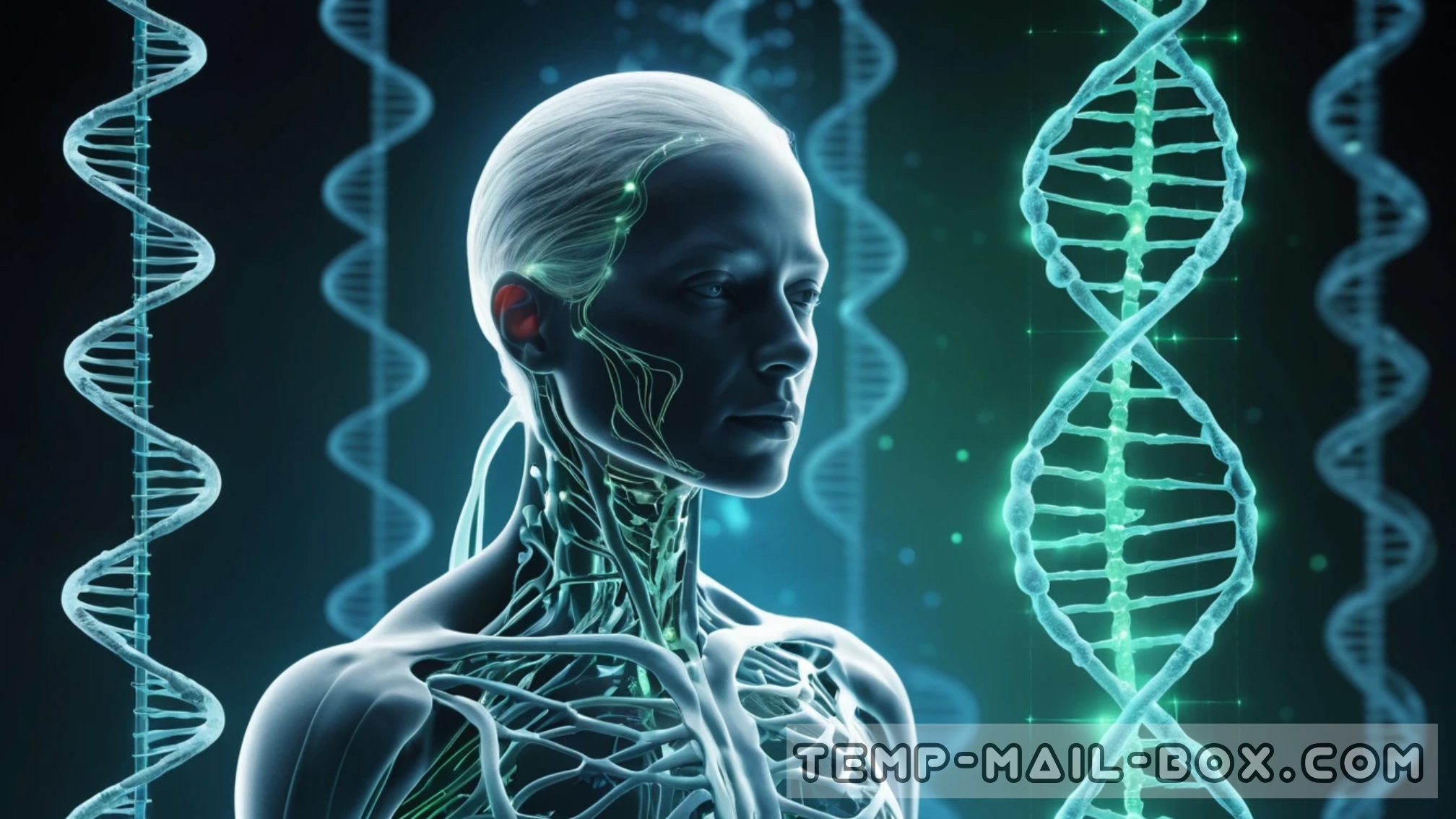
Breakthroughs in genetics and biotechnology are driving much of this research. Studies on cellular repair, DNA damage, and telomeres suggest that some aspects of aging may be slowed or modified. Experiments in animals have already demonstrated lifespan extension through genetic changes, calorie restriction, and targeted drugs, fueling optimism about future human applications.
Artificial intelligence is also accelerating longevity research. AI systems analyze massive datasets to identify patterns in aging, predict disease risk, and discover potential anti-aging compounds faster than traditional methods. Personalized medicine, based on individual genetic and biological profiles, may allow doctors to prevent age-related diseases before they appear.
However, longer life does not automatically mean better life. One of the key challenges is ensuring that added years are healthy and active, not marked by chronic illness. Extending lifespan without improving quality of life would place enormous strain on healthcare systems and societies.
Ethical and social questions further complicate the issue. If life-extending technologies become available, who will have access to them? Longer lifespans could reshape careers, family structures, population growth, and economic systems in ways that are difficult to predict.
Most scientists agree that dramatic immortality is unlikely in the near future. However, gradual increases in lifespan and significant extensions of healthy years are realistic goals. Living to 100 or beyond in good physical and mental condition may become increasingly common rather than exceptional.
In the end, science is not just helping humans live longer — it is redefining what aging means. The future of longevity may not be about escaping death, but about gaining more meaningful, healthier years of life through knowledge, technology, and prevention.